ART AND DESIGN
ETHOS
‘Art, craft and design embody some of the highest forms of human creativity. A high-quality art and design education should engage, inspire and challenge pupils, equipping them with the knowledge and skills to experiment, invent and create their own works of art, craft and design. As pupils progress, they should be able to think critically and develop a more rigorous understanding of art and design. They should also know how art and design both reflect and shape our history, and contribute to the culture, creativity and wealth of our nation.
AIMS
We want to engage all pupils by introducing them to a diverse range of artists, exploring a wide range of materials, techniques, and themes. We can ensure that every learner finds a meaningful way to engage and succeed, by developing their understanding of art in its many and varied forms and aims.
Our key aim for all children is:
• to produce creative work, exploring their ideas and recording their experiences
• to become proficient in drawing, painting, sculpture and other art, craft and design techniques
• to evaluate and analyse creative works using the language of art, craft and design
• to know about great artists, craft makers and designers, and understand the historical and cultural development of their art forms.
HIGH QUALITY TEACHING APPROACH
At Melling, Art lessons create exciting opportunities for children to explore, ensuring that children are inspired to achieve their full creative potential. All children will be provided with lots of exciting designing and making opportunities, alongside opportunities to think creatively and critically about the purpose art serves.
In Melling Art and Design lessons, pupils in EYFS and Key Stage One will be taught:
• to use a range of materials creatively to design and make products
• to use drawing, painting and sculpture to develop and share their ideas, experiences and imagination
• to develop a wide range of art and design techniques in using colour, pattern, texture, line, shape, form and space
• about the work of a range of artists, craft makers and designers, describing the differences and similarities between different practices and disciplines, and making links to their own work
In Melling Art and Design lessons, pupils in Key Stage Two will be taught:
• to develop their techniques, including their control and their use of materials, with creativity, experimentation and an increasing awareness of different kinds of art, craft and design
• to create sketch books to record their observations and use them to review and revisit ideas
• to improve their mastery of art and design techniques, including drawing, painting and sculpture with a range of materials [for example, pencil, charcoal, paint, clay]
• about great artists, architects and designers in history
In addition to topic themed work, teachers use the AccessArt programme of activities that delivers a broad, rich, contemporary and diverse curriculum. It’s our aim that, by the time every child leaves primary school, they can feel as if they have found an area of the visual arts that is relevant and engaging to them – that might be through drawing, making, designing or talking about art. To achieve this, it’s important that children have as many different kinds of opportunities as possible so that each child can find the thing which strikes a chord with them. That means covering lots of different disciplines, techniques, materials and approaches. In practice, that might mean one day a child is practising observational drawing skills, another day they are working from their imagination making larger scale images, and another day they are discussing as a class how the context in which art is presented can change it’s meaning. The richness and relevance of experience makes learning memorable and impactful.
PROGRESSION AND COVERAGE
COVERAGE: Blocked Units of Work:
|
|
Autumn Term FOCUS: DRAWING |
Spring Term FOCUS: PAINTING (COLOUR-MIXING) |
Summer Term FOCUS: 3-D |
|
Reception Rotation of topics I look at a range of work by artists and craftspeople. |
Self-portraits DRAWING with crayons I can hold pencils and crayons properly; I can draw lines and circles; I understand that I can use lines to enclose a space and begin to use these shapes to represent an object; I can capture experiences and responses with a range of media |
VAN GOGH PAINTING Sunflowers I can use one-handed tools and equipment; I can explore colours and how colours can be changed; I can understand how to use lines to enclose a space and that those lines can be used to represent objects; I can choose colours for a purpose; I can talk about the features of my work |
ROCKETS COMBINING/ATTACHING MATERIALS I am interested in and can describe the texture of things; I can capture experiences and responses with a range of media; I can use one-handed tools and equipment; I understand that tools can be used for a purpose |
|
Year 1 I can describe what I see and like in the work of artists and craft makers. |
PAUL KLEE DRAWING with pastels Senecio PABLO PICASSO DRAWING with pencils Cubist Portraits I can communicate something about myself in my drawings; I can create moods in my drawings; I can draw using pencils and crayons; I can draw lines of different shapes, using 2 grades of pencils |
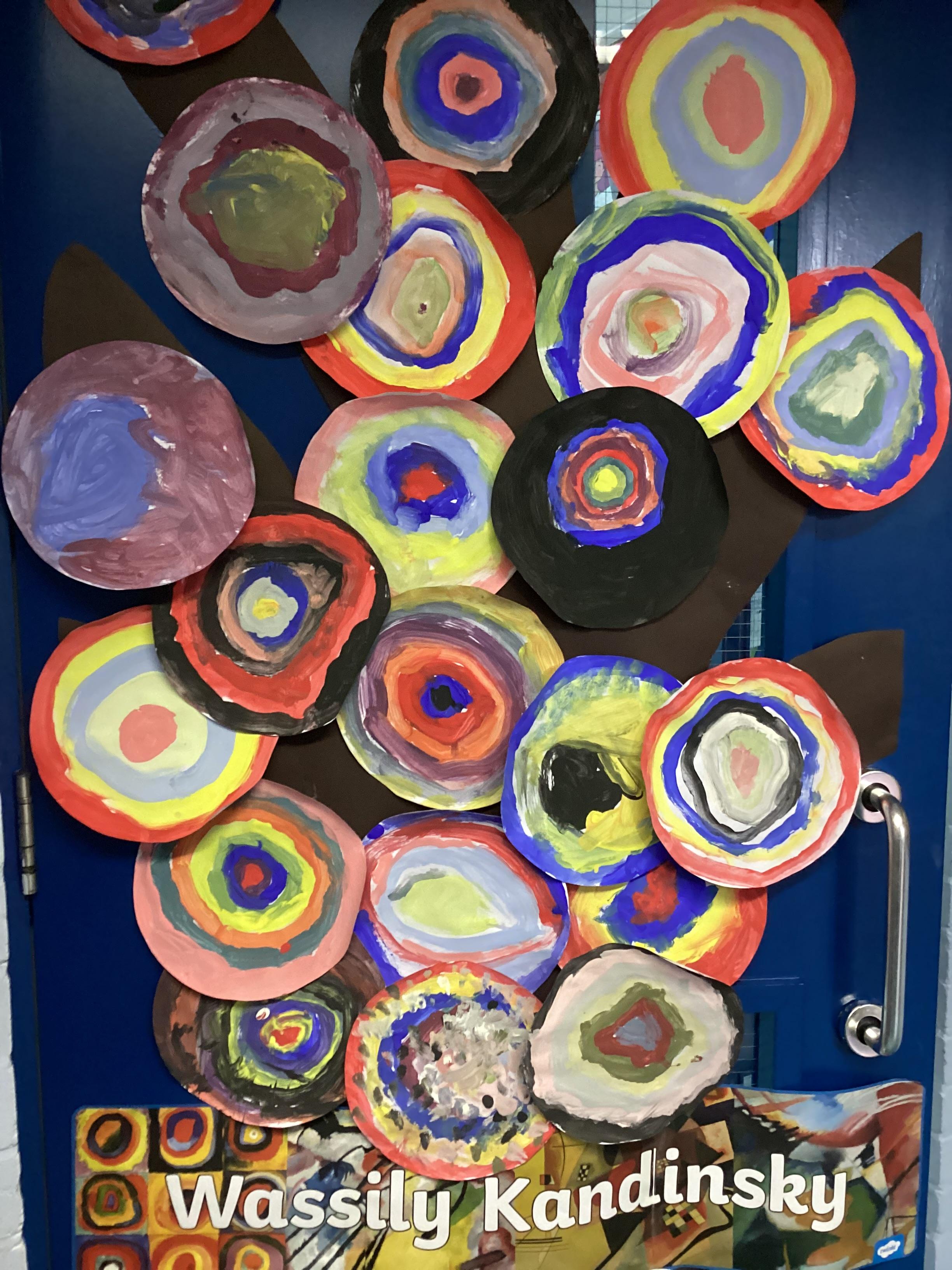
YAYOI KUSAMA PAINTING Pop Art Pictures WASSILY KANDINSKY PAINTING Squares With Concentric Circles I can name the primary and secondary colours; I can paint a picture of something I can see; I can communicate something about myself in paintings; I can create moods in paintings |
CLAY THUMB POTS SCULPTURE I can add texture by using tools; I can make different kinds of shapes; I can cut, roll and coil materials such as clay, dough and plasticine; I can make a simple pinch pot/bowl |
|
Year 2 I can say how other artists, craft makers and designers have used colour, pattern and shape. |
MANDALA PATTERNS DRAWING and Calligraphy I can I can use different grades of pencil in my drawing (4B, 8B, HB etc.); I can use charcoal, pencil and pastels; I can create different tones using light and dark; I can show patterns and texture in my drawings |
ABORIGINAL ART PAINTING I can mix paint to create all secondary colours; I can mix and match colours, predicting outcomes; I can add white to paint to lighten the colour; I can add black to darken the colour |
PATCHWORK PIECE 3D/TEXTILES I can join fabric using glue; I can sew fabrics together; I can create part of a class patchwork; I can say how other artists, craft makers and designers have used colour, pattern and shape |
|
Year 3 I can compare the work of different artists, other cultures and different periods of time. |
LIFE DRAWINGS DRAWING Using drawing skills to convey facial elements I can I can show facial expressions in my drawings; I can use my sketches to produce a final piece of work; I can write an explanation of my sketch in notes; I can use different grades of pencil to show different tones and texture PHOTO MONTAGE DIGITAL ART I can use printed images to create art work; I can use the web to research art work; I can cut accurately; I can paste and overlap materials
|
ROMERO BRITTO PAINTING I can predict with accuracy the colours I mix; I know where each of the primary and secondary colours sit on the colour wheel; I can create a background wash; I can use a range of brushes to create different effects
THE COLOUR WHEEL DRAWING with chalk and oil pastels Exploring the colour wheel to create warm and cool art work I can name primary, secondary and tertiary colours; I can use a colour wheel to help me mix colours; I can recognise a range of warm and cool colours |
EGYTPIAN BURIAL MASK COLLAGE ROMAN MOSAICS COLLAGE I can look at digital images of the work of different artists, art from different cultures and periods of time; I can create an original design and use pieces of paper to make a mosaic; I can crate a whole class mosaic piece using mosaic tiles and tile pieces; I can experiment with different colours
|
|
Year 4 I can explain art from other periods of history.
|
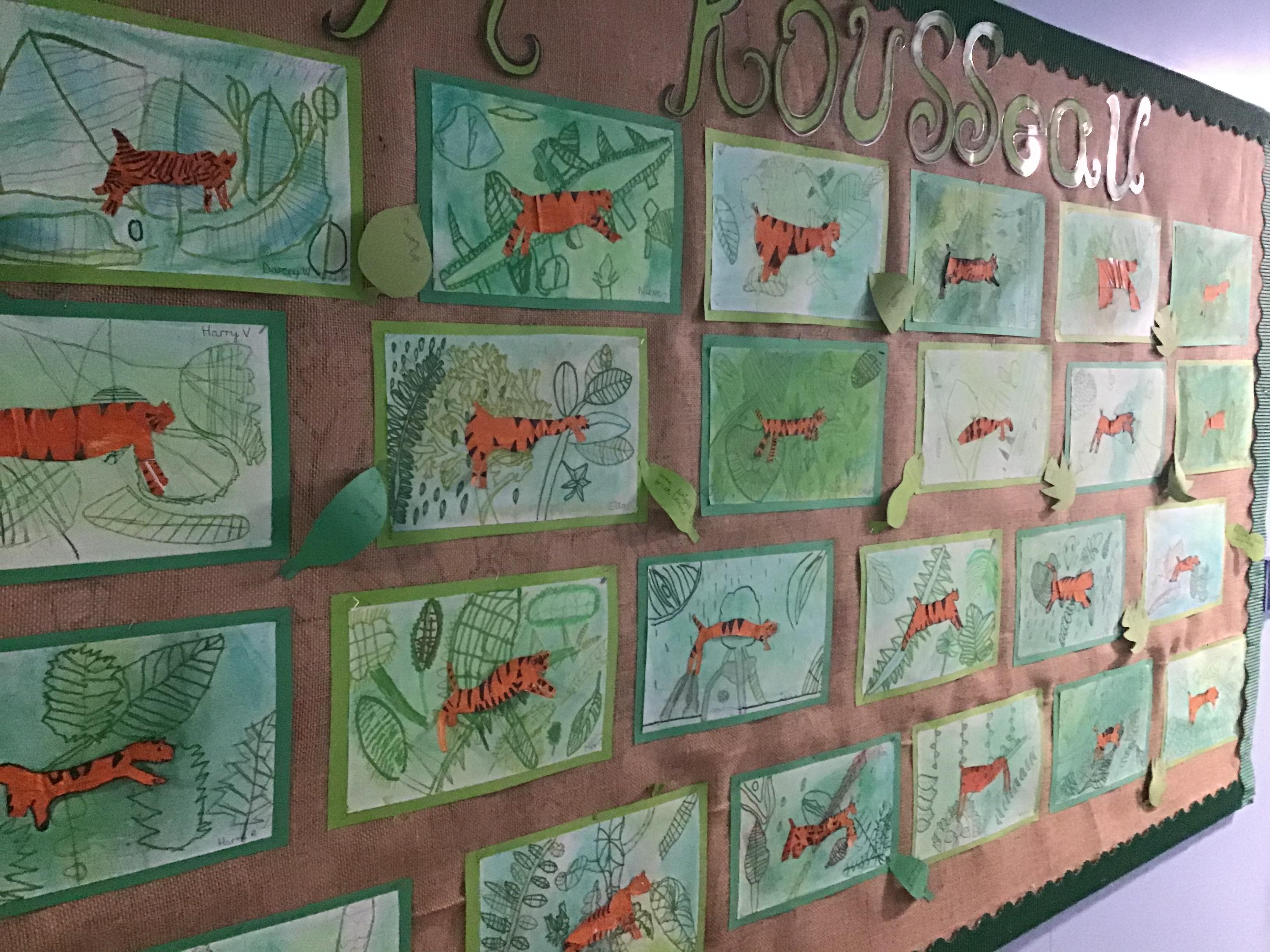
HENRI ROUSSEAU DRAWING Jungle Pictures I can create all the colours I need; I can create mood in my paintings; I can successfully use shading to create mood and feeling; I can adapt and improve my original ideas I can identify and draw simple objects and use marks and lines to produce texture; I can organise line, tone, shape and colour to represent figures and forms in movement; I can show reflections; I can explain why I have chosen specific materials to draw with
|
QUENTIN BLAKE DRAWING/PAINTING Illustrations in the style of Quentin Blake I can show facial expressions and body language in my drawings; I can identify and draw simple objects and use marks and lines to produce texture; I can organise line, tone, shape and colour to represent figures and forms in movement; I can show reflections; I can explain why I have chosen specific materials to draw with; I can create all the colours I need; I can create mood in my paintings; I can successfully use shading to create mood and feeling; I can adapt and improve my original ideas |
LIVERPOOL MODEL 3D/TEXTILES I can experiment and combine materials and processes to design and make 3D form; I can begin to sculpt clay and other mouldable materials
|
|
Year 5 I can look at the work of artists in books, the internet, visits to galleries and other sources of information. |
JEN ARYANI DRAWING Landscapes I can identify and draw simple objects and use marks and lines to produce texture; I can successfully use shading to create mood and feeling; I can organise line, tone, shape and colour to represent figures and forms in movement; I can show reflections; I can explain why I have chosen specific materials to draw with; I can compare and discuss my ideas with others |
PETER THORPE PAINTING Space pictures I can create all the colours I need; I can express emotions accurately through my paintings; I can use different shades to create mood and feeling in my paintings; I can compare and discuss my ideas with others; I can experiment with different styles that artists have used |
GREEK VASES SCULPTURE I can experiment with and combine materials and processes to design and make 3D form; I can sculpt clay and other mouldable materials; I can compare and discuss my ideas with others; I look at the work of artists in books, the internet, visits to galleries and others sources of information |
|
Year 6 I can say what my work is influenced by and why.
|
STEPHEN WILTSHIRE DRAWING with pencils Liverpool Then and Now (The Blitz) I can explain why I have combined different tools to create my drawings; I can explain why I have chosen specific drawing techniques; I can say what my work is influenced by; I can include technical aspects in my work |
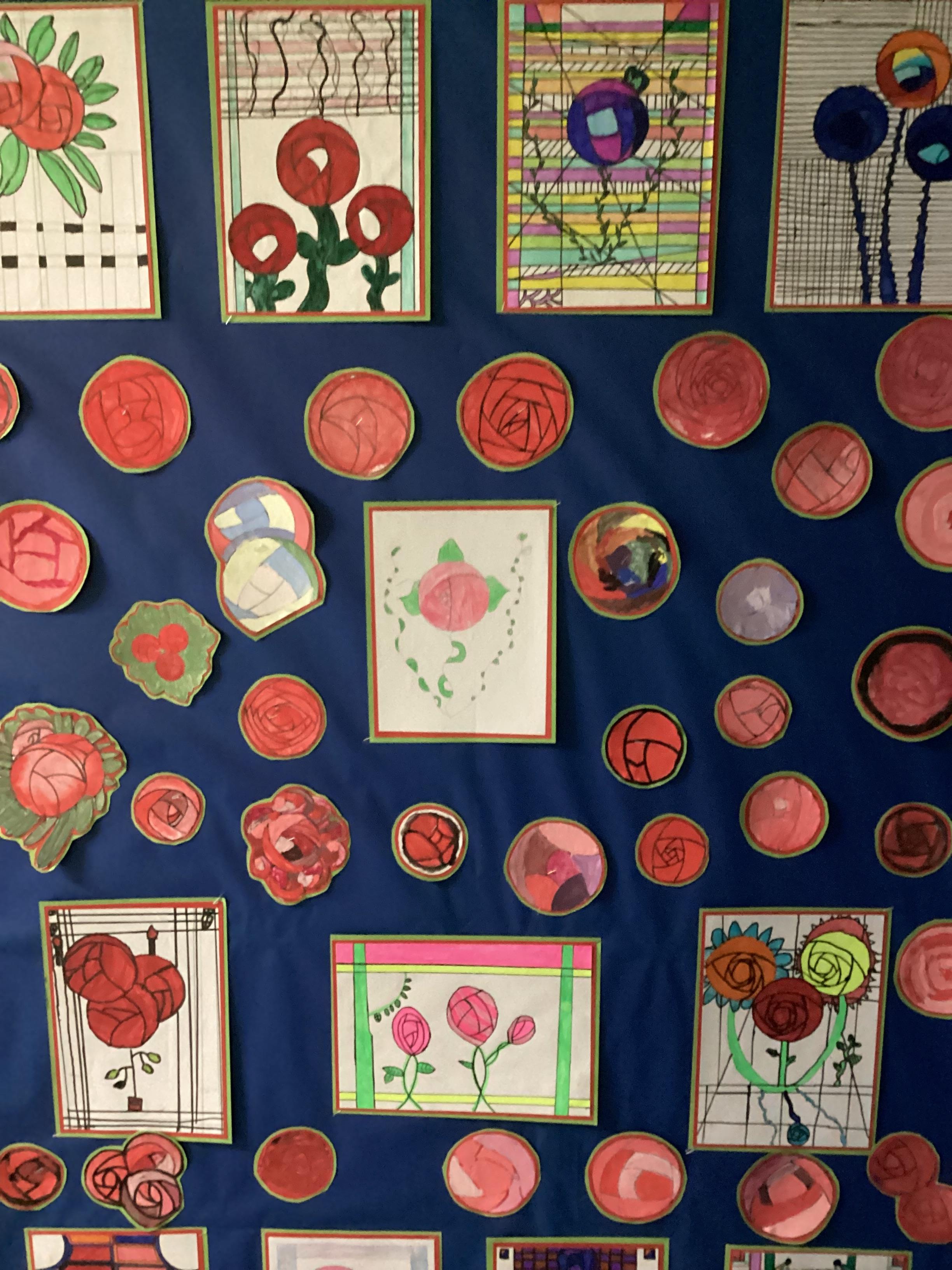
CHARLES RENNIE MACKINTOSH DRAWING COLOUR AND PATTERN with felt tip pens and paint Stained glass windows I can create all the colours I need; I can explain why I have chosen specific painting techniques; I can explain what my style is; I can adapt and refine my work to reflect its meaning and purpose |
FRIEDENSREICH HUNDERTWASSER 3D SCULPTURE 3-D model of a building I can create models on a range of scales; I can create work which is open to interpretation by the audience; I can include both visual and tactile elements in my work; I can say what my work is influenced by; I can include technical aspects in my work |
PROGRESSION IN KEY STAGES ONE AND TWO:
|
ART and DESIGN Year 1 |
|||
|
DRAWING |
PAINTING |
PRINTING |
KNOWLEDGE |
|
Can they communicate something about themselves in their drawing? Can they create moods in their drawings? Can they draw using pencil and crayons? Can they draw lines of different shapes and thickness, using 2 different grades of pencil and different media. |
Can they communicate something about themselves in their painting? Can they create moods in their paintings? Can they choose to use thick and thin brushes as appropriate? Can they paint a picture of something they can see? Can they name the primary and secondary colours? |
Can they print with a range of tools/materials? Can they print onto paper and textile? Can they design their own printing block? Can they create a repeating pattern? |
Can they describe what they can see and like in the work of another artist/craft maker/designer? Can they ask sensible questions about a piece of art? |
|
3D |
COLLAGE |
USE OF I.T. |
|
|
Can they add texture by using tools? Can they make different kinds of shapes? Can they cut, roll and coil materials such as clay, dough or plasticine? |
Can they cut and tear paper and card for their collages? Can they gather and sort the materials they will need? |
Can they use a simple painting program to create a picture? Can they use tools like fill and brushes in a painting package? Can they go back and change their picture? |
|
|
ART and DESIGN Year 2 |
|||
|
DRAWING |
PAINTING |
PRINTING |
SKETCHBOOKS |
|
Can they use different grades of pencil in their drawing? Can they use charcoal, pencil and pastels? Can they create different tones using light and dark? Can they show patterns and texture in their drawings? Can they use a viewfinder to focus on a specific part of an artefact? |
Can they mix paint to create all the secondary colours? Can they mix and match colours, predict outcomes? Can they mix their own brown? Can they make tints by adding white? Can they make tones by adding black? |
Can they design and use a two colour printing block? |
Can they begin to demonstrate their ideas through photographs and in their sketch books? Can they set out their ideas, using ‘annotation’ in their sketch books? Do they keep notes in their sketch books as to how they have changed their work? |
|
TEXTILES |
COLLAGE |
KNOWLEDGE |
|
|
Can they join fabric using glue? Can they sew fabrics together? Can they create a design and add detail to their textiles work? |
Can they create individual and group collages? Can they use different kinds of materials on their collage and explain why they have chosen them? Can they use repeated patterns in their collage? |
Can they link colours to natural and man-made objects? Can they say how other artist/craft maker/designer have used colour, pattern and shape? Can they create a piece of work in response to another artist’s work? |
|
|
ART and DESIGN Year 3 |
|||
|
DRAWING |
PAINTING |
SKETCHBOOKS |
|
|
Can they draw facial features carefully and accurately/ Can they show facial expressions/moods in their drawings? Can they use three different grades of pencil and other drawing media, to show different tones and texture? |
Can they predict with accuracy the colours that they mix? Do they know where each of the primary and secondary colours sits on the colour wheel? Can they create a background using a wash? Can they use a range of brushes to create different effects? |
Can they use their sketch books to express feelings about a subject and to describe likes and dislikes? Can they make notes in their sketch books about techniques used by artists? Can they suggest improvements to their work by keeping notes in their sketch books? |
|
|
3D |
DECOUPAGE/COLLAGE |
USE OF I.T. |
KNOWLEDGE |
|
Can they add onto their work to create texture and shape? Can they work with life size materials? Can they add texture to a piece of work? |
Can they cut accurately? Can they overlap materials? Can they experiment using different colours? Can they use mosaic pieces and create an original design for a class project?
|
Can they use printed images to produce art work? Can they use IT programs to create a piece of work that includes their own work and that of others (using web)? Can they use the web to research an artist or style of art? |
Can they compare the work of different artists? Can they explore work from other cultures? Can they explore work from other periods of time? Are they beginning to understand the viewpoints of others by looking at images of people and understand how they are feeling and what the artist is trying to express in their work? |
|
ART and DESIGN Year 4 |
|||
|
DRAWING |
PAINTING |
PRINTING |
SKETCHBOOKS |
|
Can they begin to show facial expressions and body language in their sketches? Can they identify and draw simple objects, and use marks and lines to produce texture? Can they organise line, tone, shape and colour to represent figures and forms in movement? Can they show reflections? Can they explain why they have chosen specific materials to draw with? |
Can they create all the colours they need? Can they create mood in their paintings? Do they successfully use shading to create mood and feeling?
|
Can they create an accurate print design? Can they print onto different materials? |
Can they use their sketch books to express their feelings about various subjects and outline likes and dislikes? Can they produce a montage all about themselves? Do they use their sketch books to adapt and improve their original ideas? Do they keep notes about the purpose of their work in their sketch books? |
|
TEXTILES |
MOSAIC |
USE OF I.T. |
KNOWLEDGE |
|
Can they use simple textile and sewing skills as part of a project? |
Can they use ceramic mosaic? Can they combine visual and tactile qualities? |
Can they present a collection of their work on a slide show? Can they create a piece of art work which includes the integration of digital images they have taken? Can they combine graphics and text based on their research? |
Can they experiment with different styles which artists have used? Can they explain art from other periods of history? |
|
ART and DESIGN Year 5 |
|||
|
DRAWING |
PAINTING |
3D |
SKETCHBOOKS |
|
Can they identify and draw simple objects, and use marks and lines to produce texture? Do they successfully use shading to create ? Can they organise line, tone, shape and colour to represent figures and forms in movement? Can they show reflections? Can they explain why they have chosen specific materials to draw with? |
Can they create a range of moods in their paintings? Can they express their emotions accurately through their painting and sketches? |
Do they experiment with and combine materials and processes to design and make 3D form? Can they sculpt clay and other mouldable materials? |
Do they keep notes in their sketch books as to how they might develop their work further? Do they use their sketch books to compare and discuss ideas with others? |
|
TEXTILES |
COLLAGE |
USE OF I.T. |
KNOWLEDGE |
|
Can they use textile and sewing skills as part of a project, e.g. hanging, textile book, etc.? This could include running stitch, cross stitch, backstitch, appliqué and/or embroidery. |
Can they cut small paper pieces accurately? Can they experiment with colours to produce a piece of art?
|
Can they create a piece of art work which includes the integration of digital images they have taken? Can they combine graphics and text based on their research? Can they scan images and take digital photos, and use software to alter them, adapt them and create work with meaning? Can they create digital images with animation, video and sound to communicate their ideas? |
Can they experiment with different styles which artists have used? Do they learn about the work of others by looking at their work in books, the Internet, visits to galleries and other sources of information? |
|
ART and DESIGN Year 6 |
|||
|
DRAWING |
PAINTING |
PRINTING |
SKETCHBOOKS |
|
Do their sketches communicate emotions and a sense of self with accuracy and imagination? Can they explain why they have combined different tools to create their drawings? Can they explain why they have chosen specific drawing techniques? |
Can they explain what their own style is? Can they use a wide range of techniques in their work? Can they explain why they have chosen specific painting techniques? |
Can they overprint using different colours? Do they look very carefully at the methods they use and make decisions about the effectiveness of their printing methods? |
Do their sketch books contain detailed notes, and quotes explaining about items? Do they compare their methods to those of others and keep notes in their sketch books? Do they combine graphics and text based research of commercial design, for example magazines etc., to influence the layout of their sketch books? Do they adapt and refine their work to reflect its meaning and purpose, keeping notes and annotations in their sketch books? |
|
3D |
USE OF I.T. |
KNOWLEDGE |
|
|
Can they create models on a range of scales? Can they create work which is open to interpretation by the audience? Can they include both visual and tactile elements in their work? |
Do they use software packages to create pieces of digital art to design? Can they create a piece of art which can be used as part of a wider presentation? |
Can they make a record about the styles and qualities in their work? Can they say what their work is influenced by? Can they include technical aspects in their work, e.g. architectural design? |
|
PROGRESSION IN EYFS
Exploration in EYFS Art encourages children to build dexterity skills, explore materials and mark making in a playful way, use their bodies and imaginations to inspire making, explore how they can reflect and share their views about what they have seen or made and explore how art enriches our lives. Children will be encouraged, in their learning, to explore questions such as:
- What can we see?
- How can we explore colour?
- How can we build worlds?
- How can we explore materials & marks?
- How can we explore 3d materials?
- How can we use our bodies to make art?
- How can we use our imaginations?
Within each area, activities will be planned to enable an open-ended, playful exploration of materials, processes and ideas, which in turn nurture dexterity skills, promote an early understanding of visual literacy skills and begin to build the children’s confidence in their ability to make a personal, creative response to a stimulus.
|
From Exploration to Mastery (Technique) |
Developing Intentionality (Representing Ideas) |
Refining Colour and Design |
Using Art to Express Emotions |
Developing Critical Thinking and Evaluation |
Cultural Awareness and Inspiration |
|
Progression moves from babies exploring textures, patterns, and paint with their hands to Reception children competently using brushes, scissors, clay, and varied joining techniques (e.g., PVA, tape) with increasing precision and purpose. |
The aim is for children to move from making random marks to intentionally creating shapes, faces, and scenes that represent their imagination, observations and personal experiences.
|
Children progress from simply experiencing colour to identifying primary colours, experimenting with colour mixing (secondary colours), and selecting specific colours for a purpose, such as to match real-life objects. |
A key goal is to encourage children to use drawing, painting, and sculpting to explore and convey feelings like happiness, sadness or fear. |
Progression enables children to talk about their creations, explain the processes they used, say what they like about their work and begin to describe the features of art made by others. |
Progression introduces children to a range of artists, craft makers, and designers, encouraging them to use the work of others as inspiration for their own creative projects |
SEND AND INCLUSION
Since Art has the ability to enrich all our lives, it is key to our teaching of Art that all lessons are accessible and meaningful to all children. Lessons taught will be adaptable according to the unique needs of all children so that all children will be able to fully engage. Teachers will use responsive and reflective approaches, a range of scaffolding and effective observation and feedback to support all pupils.
ASSESSMENT
Children will be assessed against the skills and progress listed in the Progression grids above whilst always remembering that the creative ego is unique. Children will have drawing skills assessed twice in every class in the form of a drawing portfolio, containing two drawings, completed in each year group.
When thinking about a child’s self expression, we will tread very carefully. Art is a unique subject and therefore we always ensure any assessment enables maximum creativity. At Melling, teachers always leave room for the unexpected to be celebrated.
ACHIEVEMENT
Please look through the Melling Art and Design Gallery Page for examples of the excellent work that children at Melling have been completing.
ORACY
As part of our curriculum offering, children will be taught to use a range of key vocabulary across the school. Children will be encouraged to use this language accurately and effectively to communicate their ideas, intentions, reflections and outcomes.
EQUALITY AND DIVERSITY
It is important that children understand that Art is for all and that artists mirror the diversity of the broader population. Children will have opportunities to explore the work of a range of artists from a variety of cultural backgrounds. They will also learn about the work of artists with diverse abilities, including neurodivergent artists.
Children in a range of classes take trips that include visits to local museums and galleries. These trips give children opportunities to engage in immersive, sensory learning that sparks curiosity, creativity and critical thinking. These visits bring art education to life, allowing children to explore art and craft directly, to explore diverse perspectives, to understand the contexts of different artworks and to develop their own understanding through shared, enjoyable experiences.
LOCAL AREA REFLECTED
Trips will be organised to visit local galleries and museums, enabling the children to experience the work of local artists and craftspeople and to view work that represents the local area. Children will also have opportunities to use the local and natural environment for inspiration in various projects and to experience artwork on display in the area close to the school, for example in the local church.
Examples of Melling Knowledge Organisers and Road Maps:
Useful Websites
TATE GALLERY - A BRILLIANT ART WEBSITE FOR CHILDREN:
https://www.tate.org.uk/kids
ACCESSART - we are members of this organisation at Melling. This charity is full of information, ideas and inspiration!
ART FOR KIDS HUB:
https://www.artforkidshub.com
BBC BITESSIZE ART AND DESIGN:
https://www.bbc.co.uk/bitesize/subjects
THE ARTFUL PARENT:
https://artfulparent.com/kids-arts-crafts-activities-500-fun-artful-things-kids
How can you encourage Art at home?
Get messy!
Try to make a collection of drawing and painting resources and let your child get creative. Paints, chalk, crayons, pens, pencils, play dough and much more...throw down an old tablecloth or newspaper and get creative!
Use household objects creatively
You could also get creative using things around the house –for example, use pasta to create collages.
Keep a sketch book
Encourage your child to keep a sketch book. Let them take it with them when they go out so that they can look for things to sketch – a tree, a building, the seaside. You could also try taking a photo to take home to use later.
Celebrate homemade art
Praise your child’s creations and encourage them not to get disheartened if they feel they have made ‘mistakes’. Remember art is creative and the aim is to try out different things - there is no right or wrong way to do things. Don't forget to frame some work using coloured paper or card - you could even create a gallery wall.
Talk about art and enjoy art together
Visit art galleries or museums with your child. Discuss what you see and share your opinions – about subject matter, colours, materials, feelings etc.
Melling Art Gallery
The children at Melling always work hard on art projects and would love for you to see some of their excellent work.
(CLICK ON ANY IMAGE TO ENLARGE IT)
Drawing
Year Six
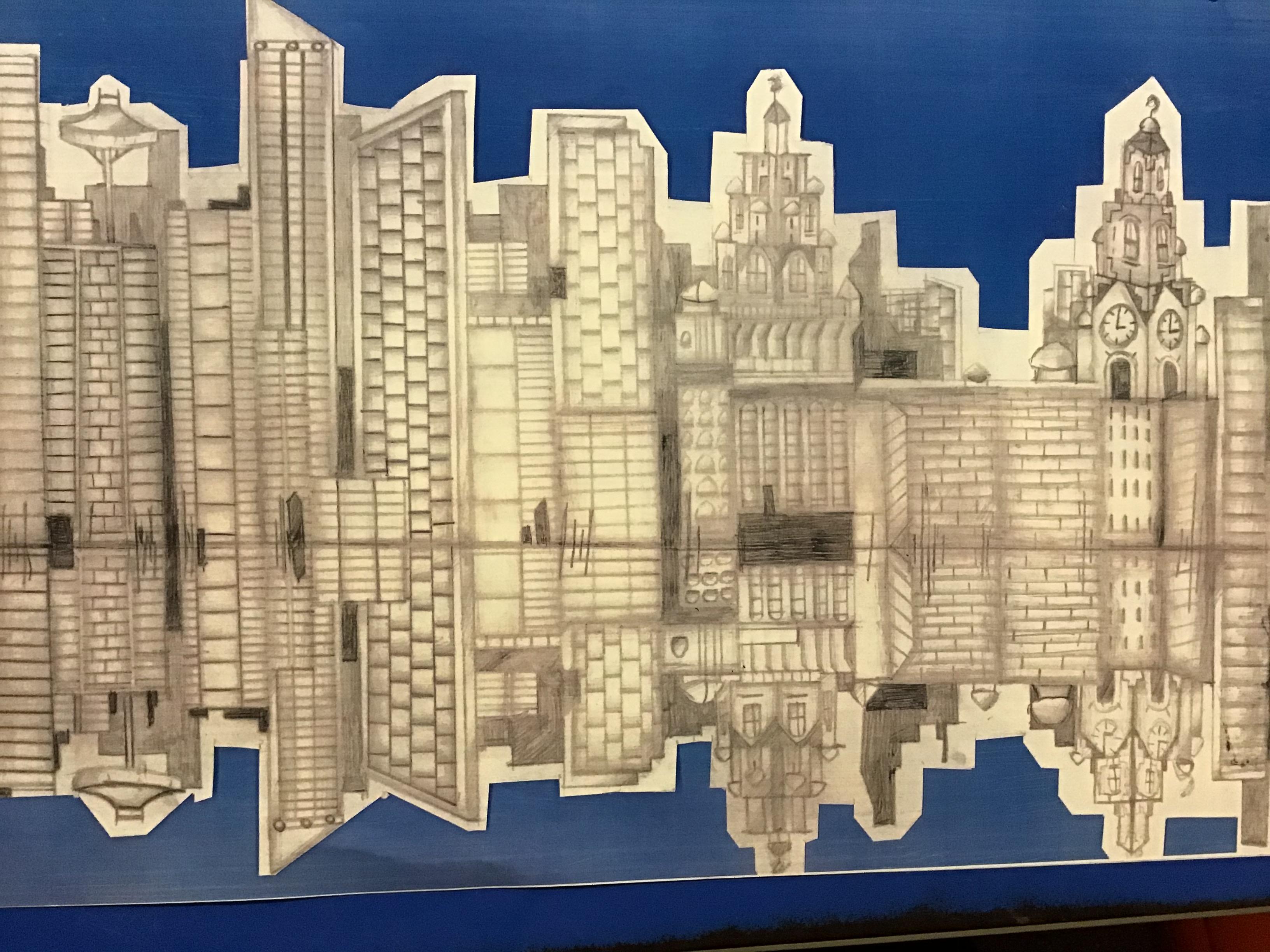
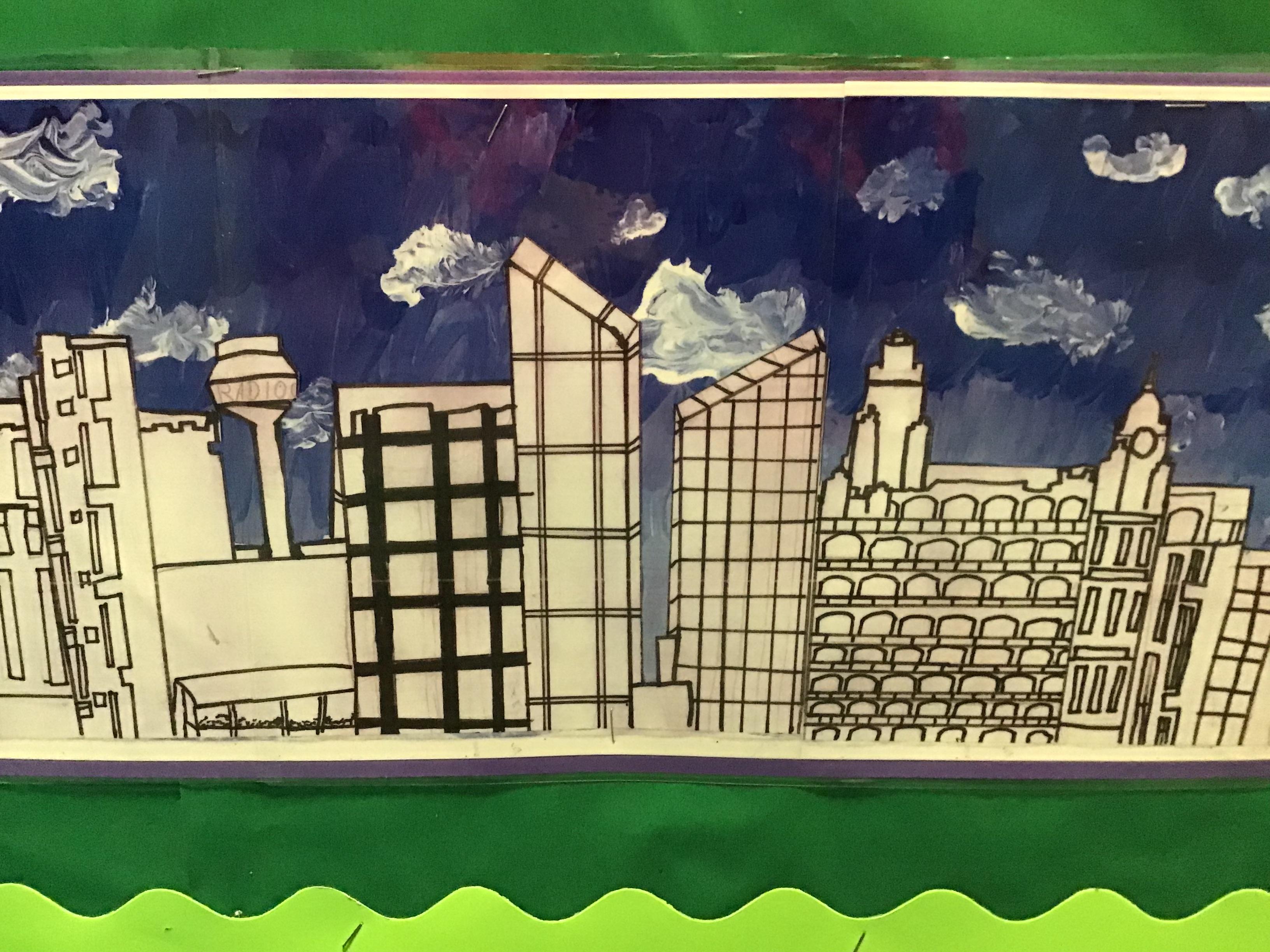
Our artwork using felt tip pens was inspired by Charles Rennie Mackintosh. We were careful to use colour and pattern effectively.


Year Five
Combining textiles in Art and D.T.


Drawing
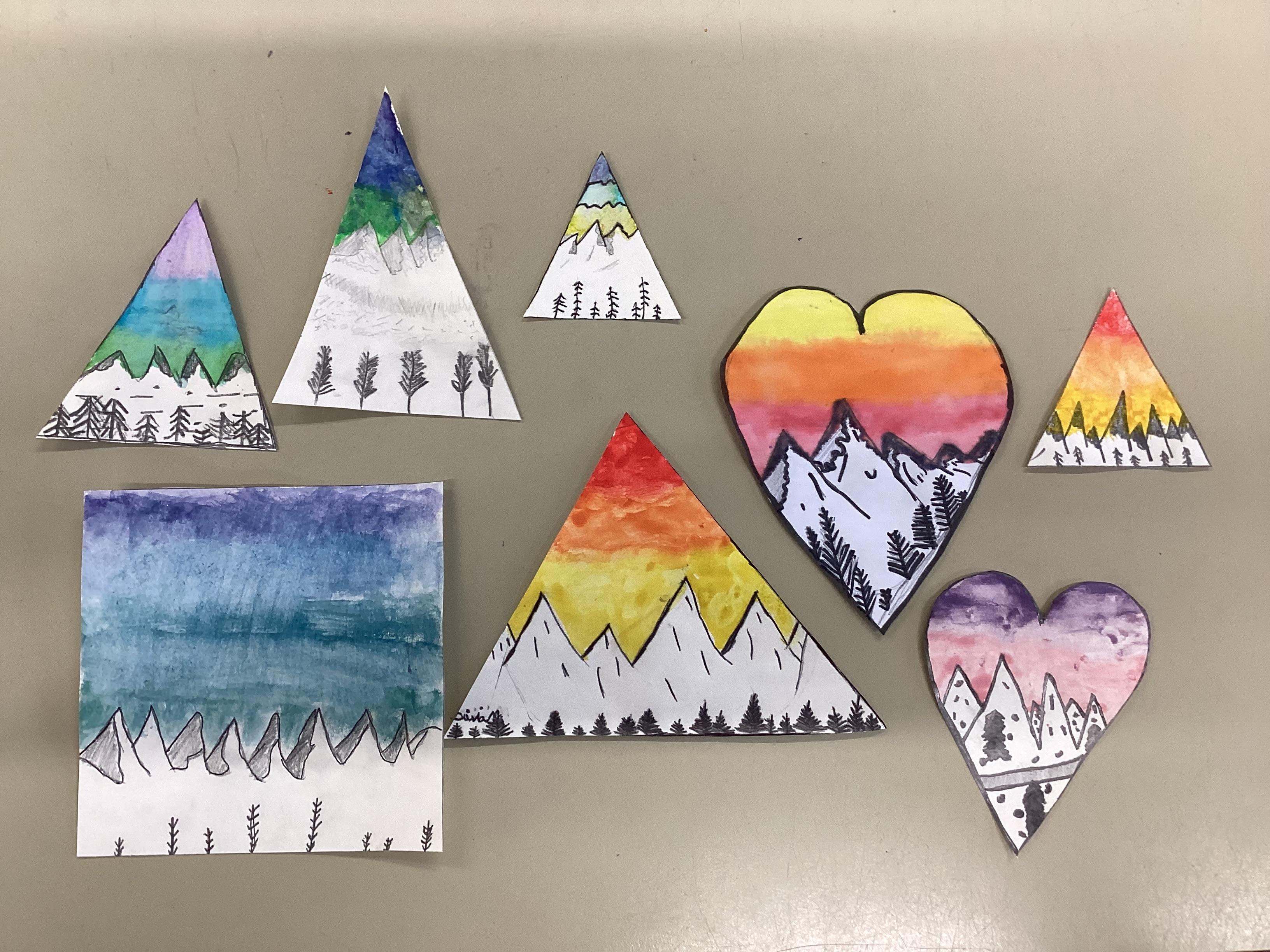
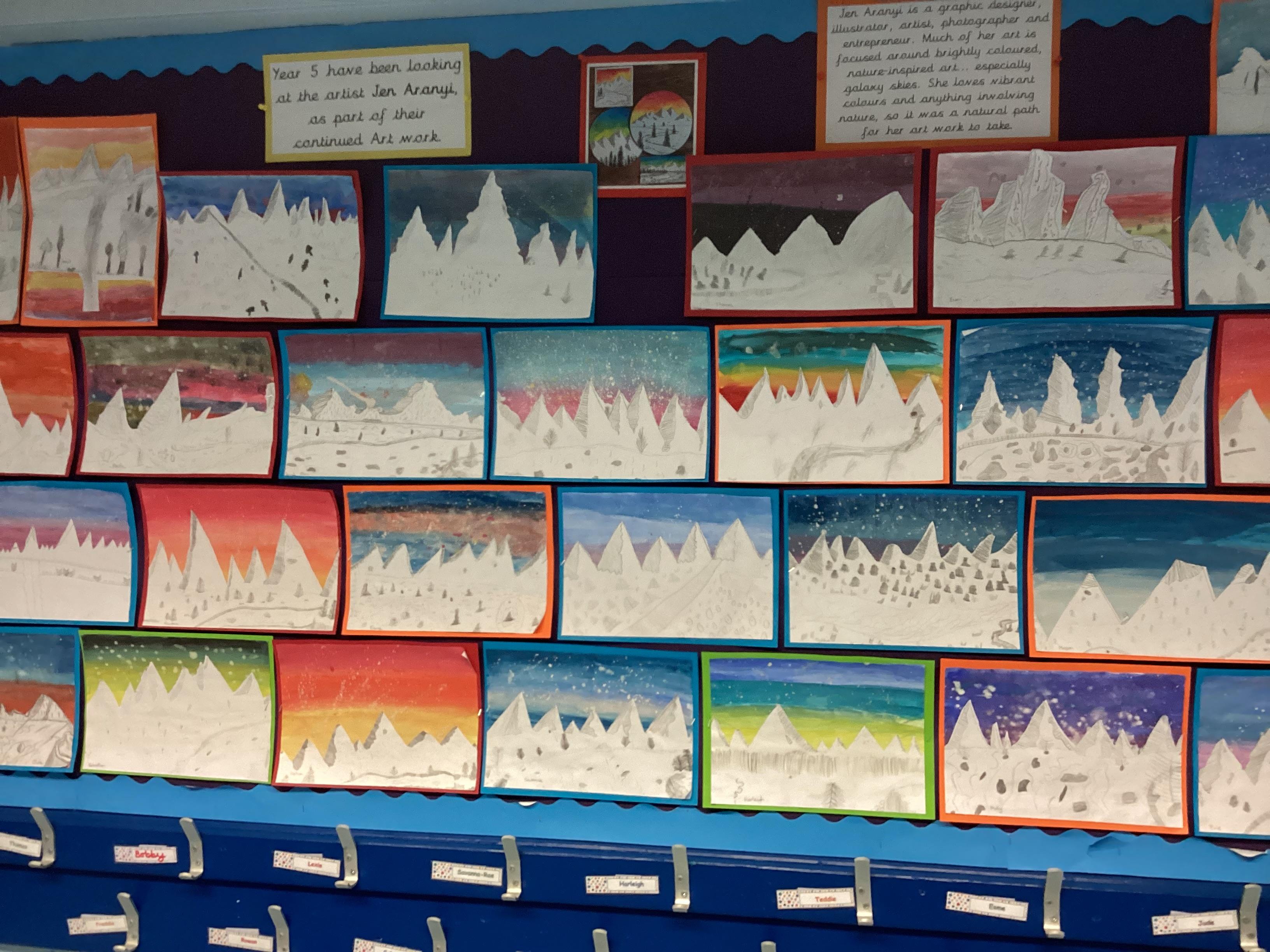
We used the Graphic Designer Jen Aranyi as our inspiration for this drawing and painting work.


Collage
Sea inspired collages


art-design-and-display


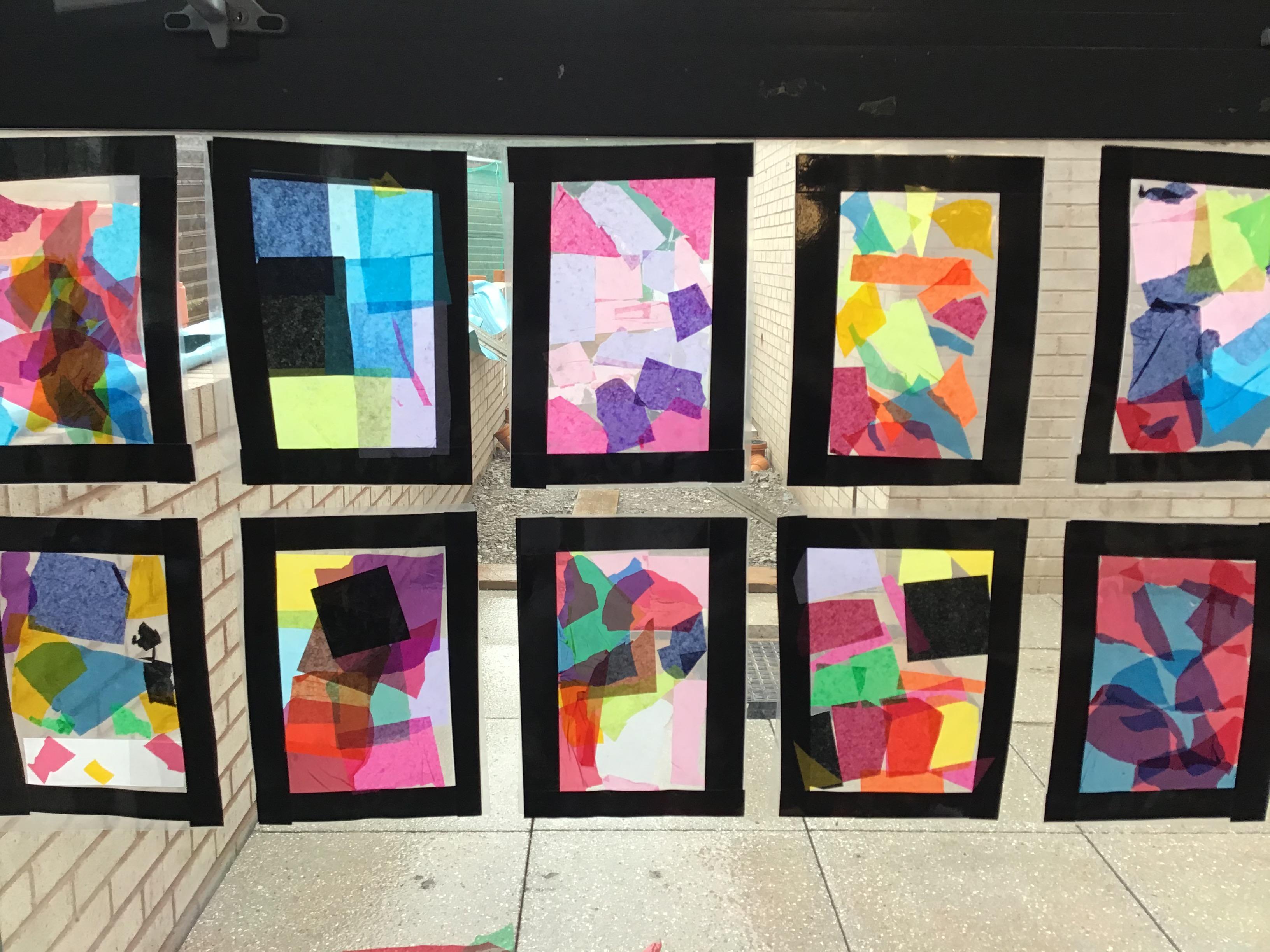
We explored the effects of layering tissue paper to make suncatchers.


Painting
We mixed lots of paint colours for our paintings inspired by studies of space.


3D Art
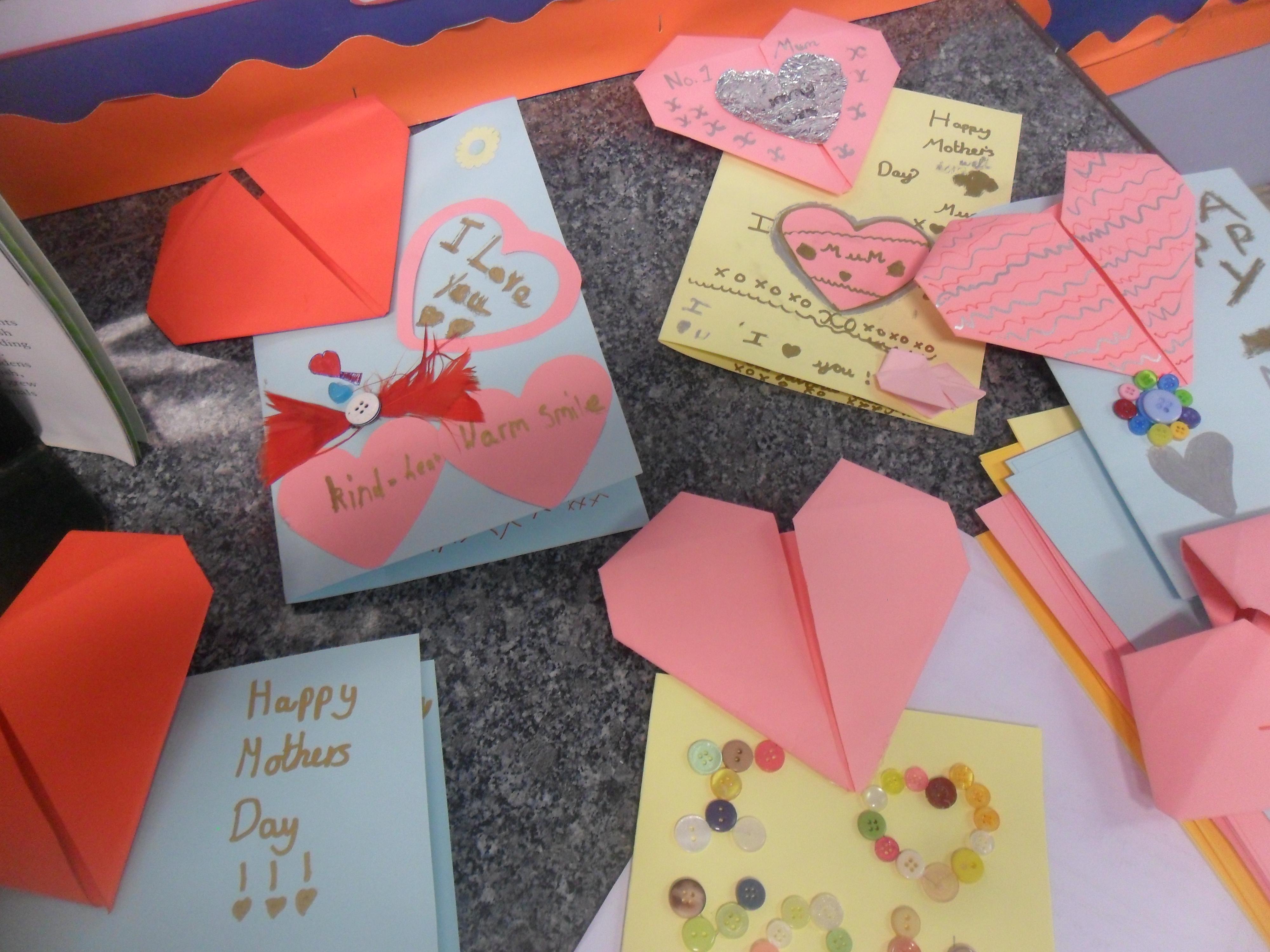
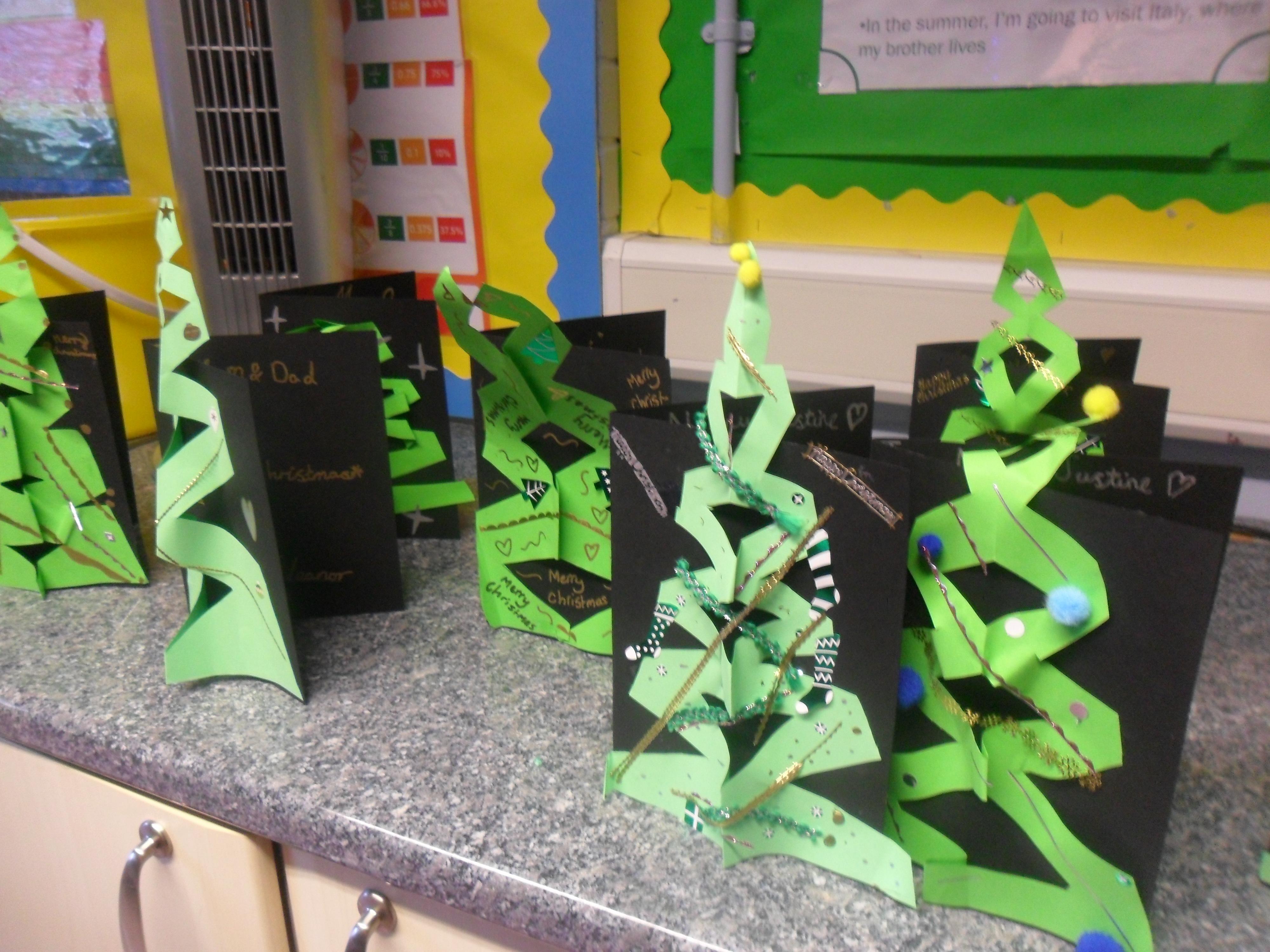
We made Easter paper creations with careful origami skills.


Year Four
Drawing
We used coloured pencils to draw Day of the Dead masks in our R.E. work.


We used careful observation and drawing skills to create Roald Dahl illustrations.


We used our drawing skills to create dragons' eyes that looked as lifelike as possible.


We practised our drawing skills with these self portraits.


Painting
art-design-and-display


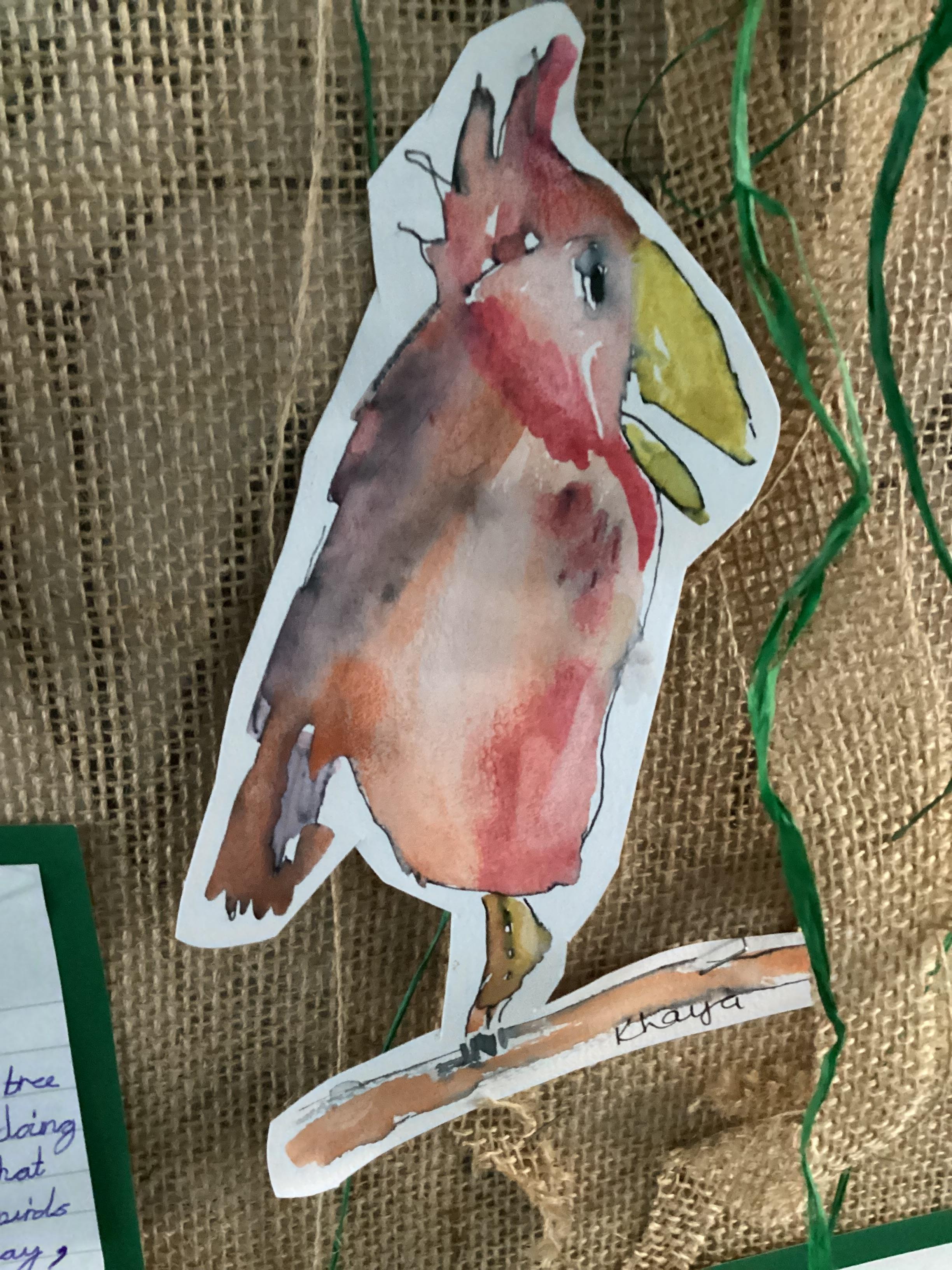
We painted using work by Pierre Auguste Renoir as our inspiration.


3D Art
Anglo-Saxon Pottery


Year Three
Drawing
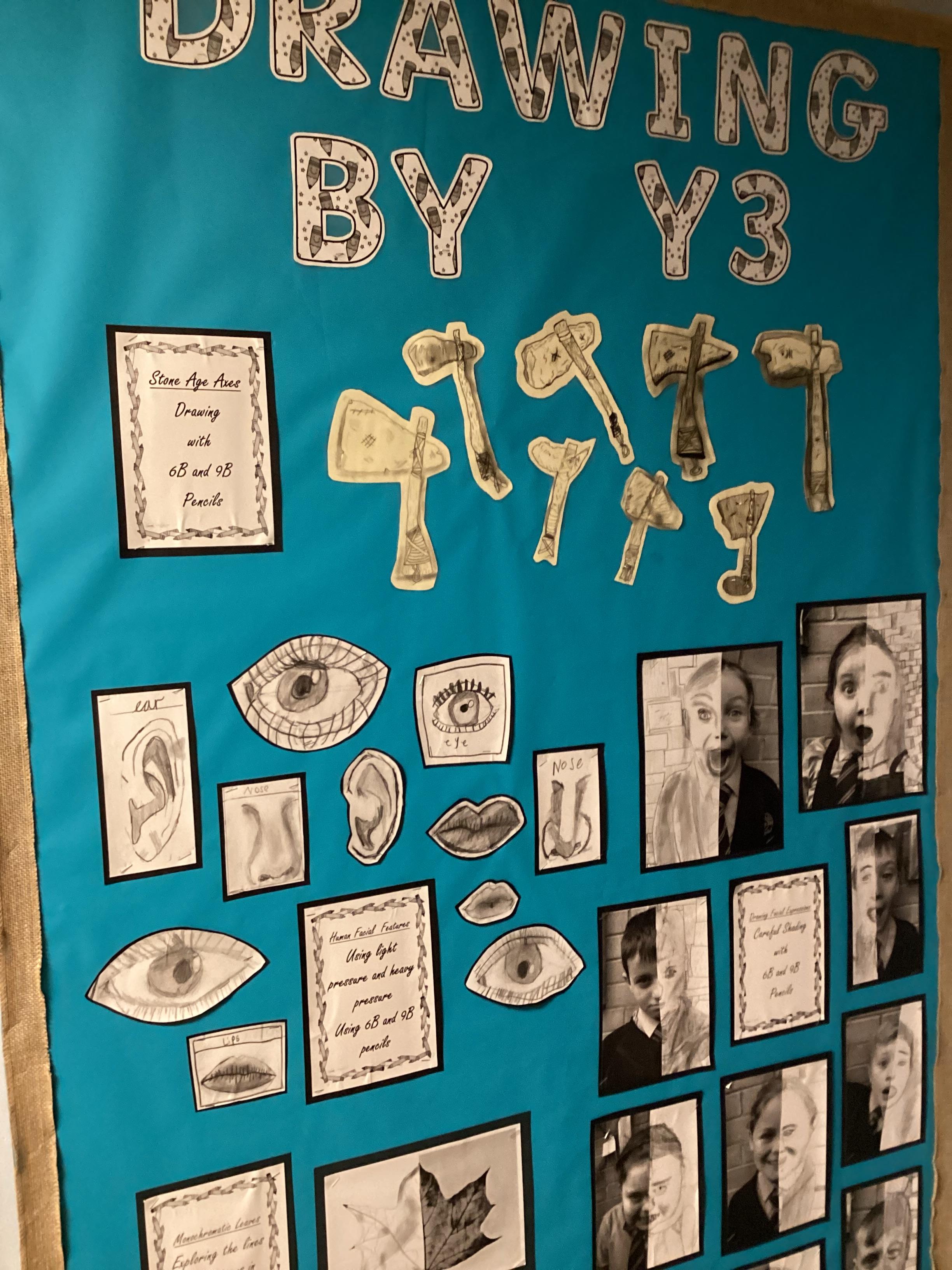
Stone Age Axes using 2B, 6B and 9B pencils


We practised our observation and drawing skills by drawing facial features.


art-design-and-display


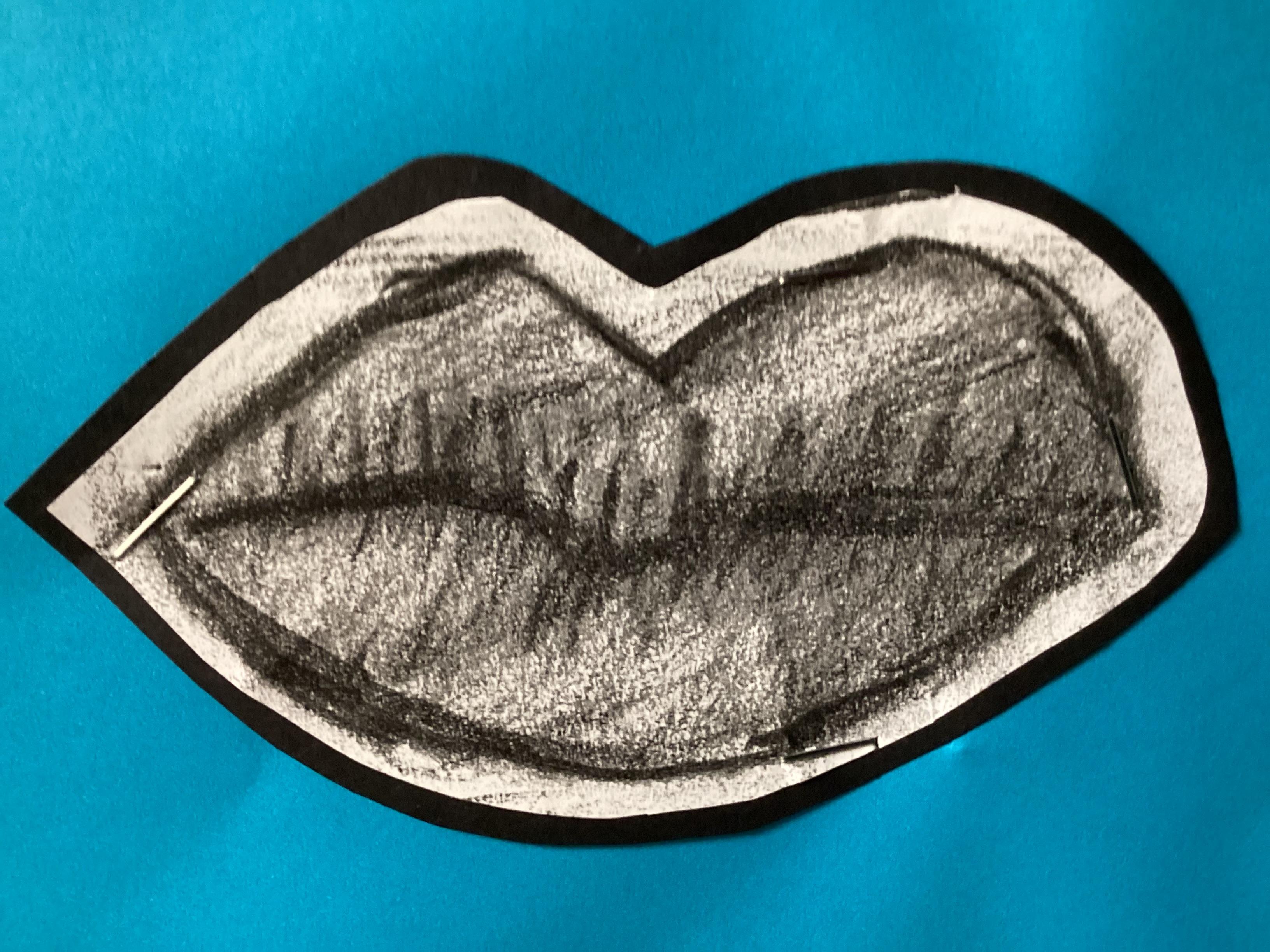
Drawing Facial Expressions


We explored different marks to see which ones to use for our mountain drawings.


Exploring Mark Making


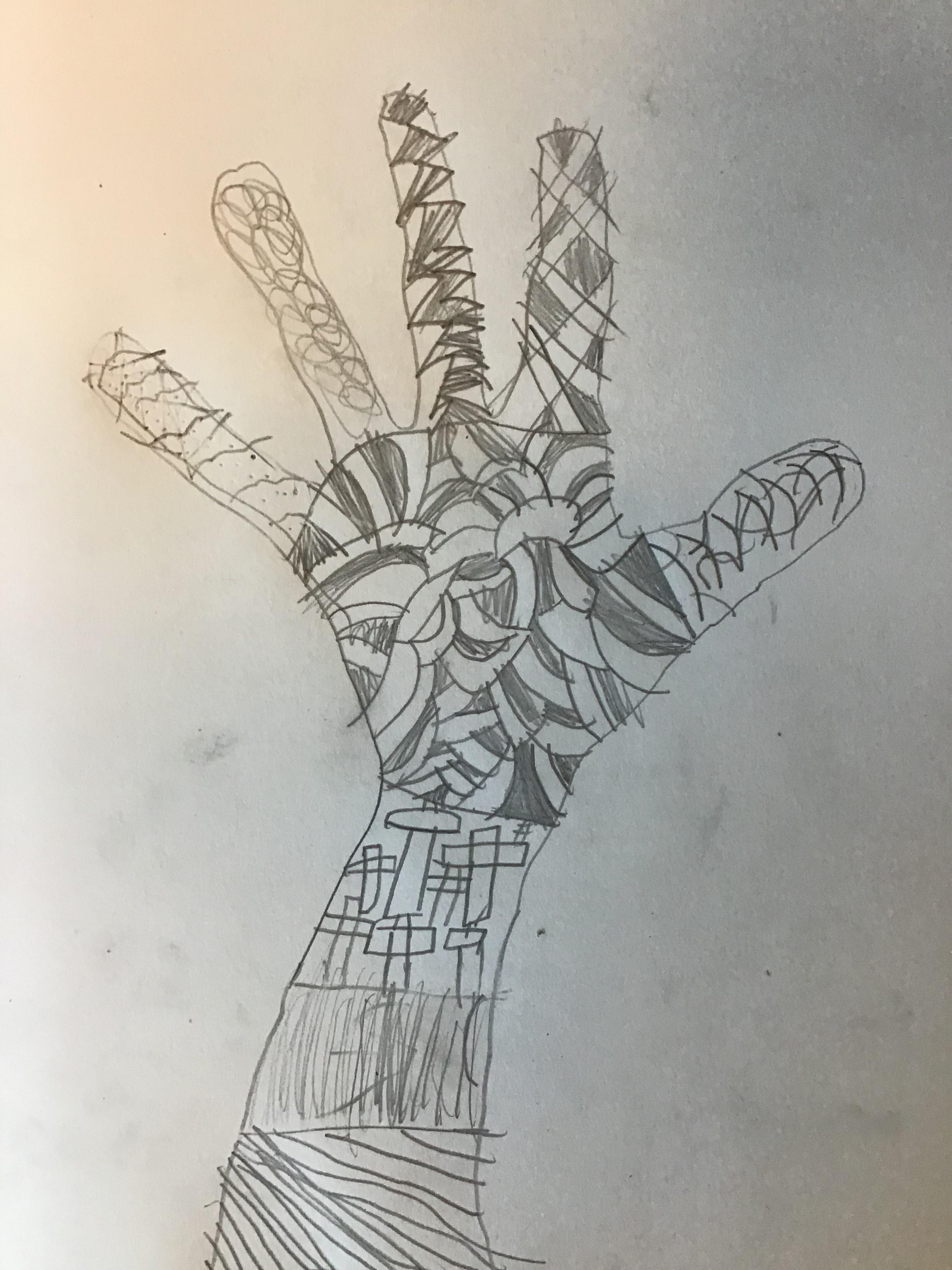
Mark Making Hands


Careful Self Portraits


We carefully drew the facial features to show different emotions.


Chalk Pastel Pictures


We drew with warm coloured paint, chalk, oil pastels, felts and coloured pencils.


Digital Art
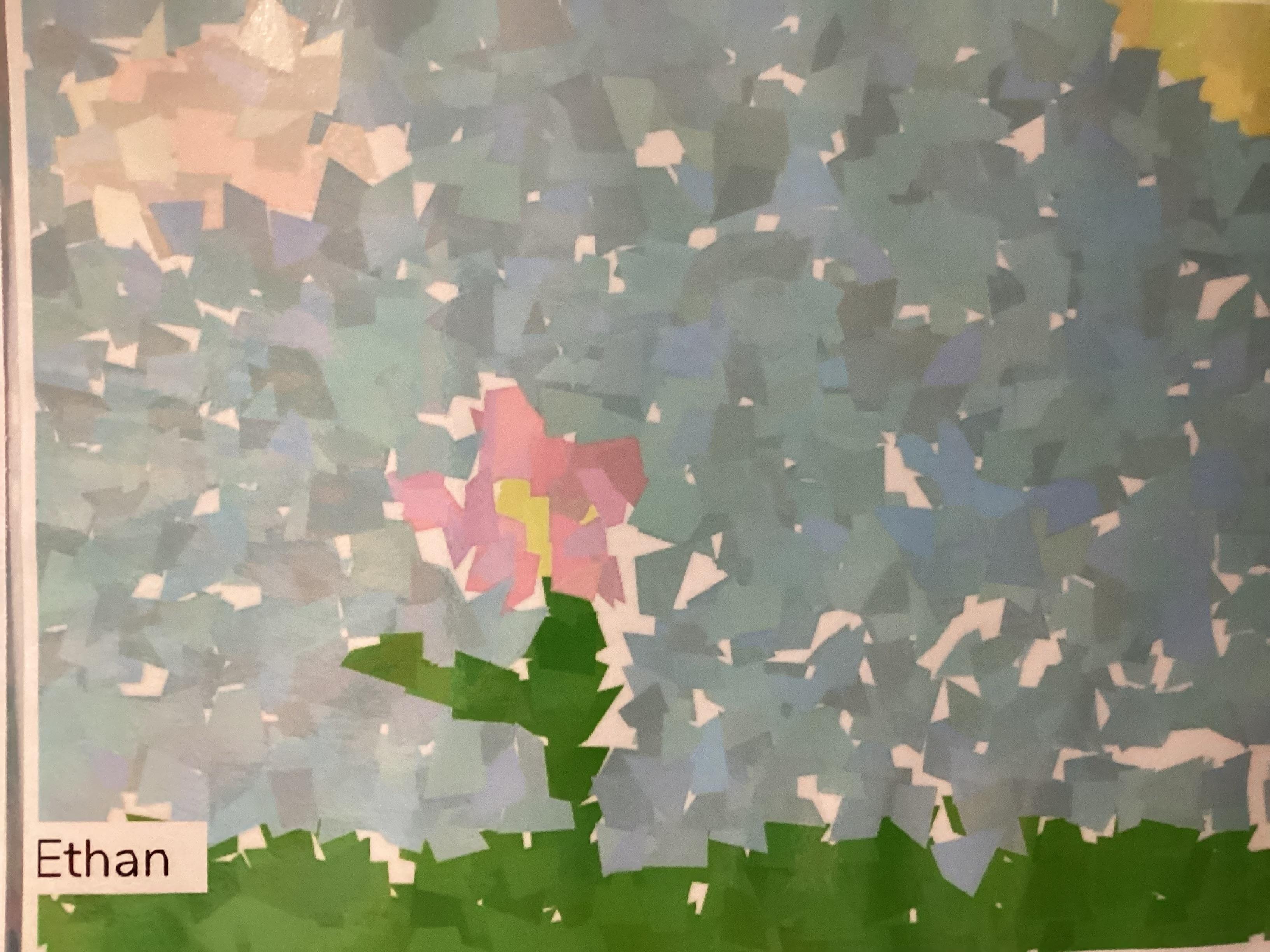
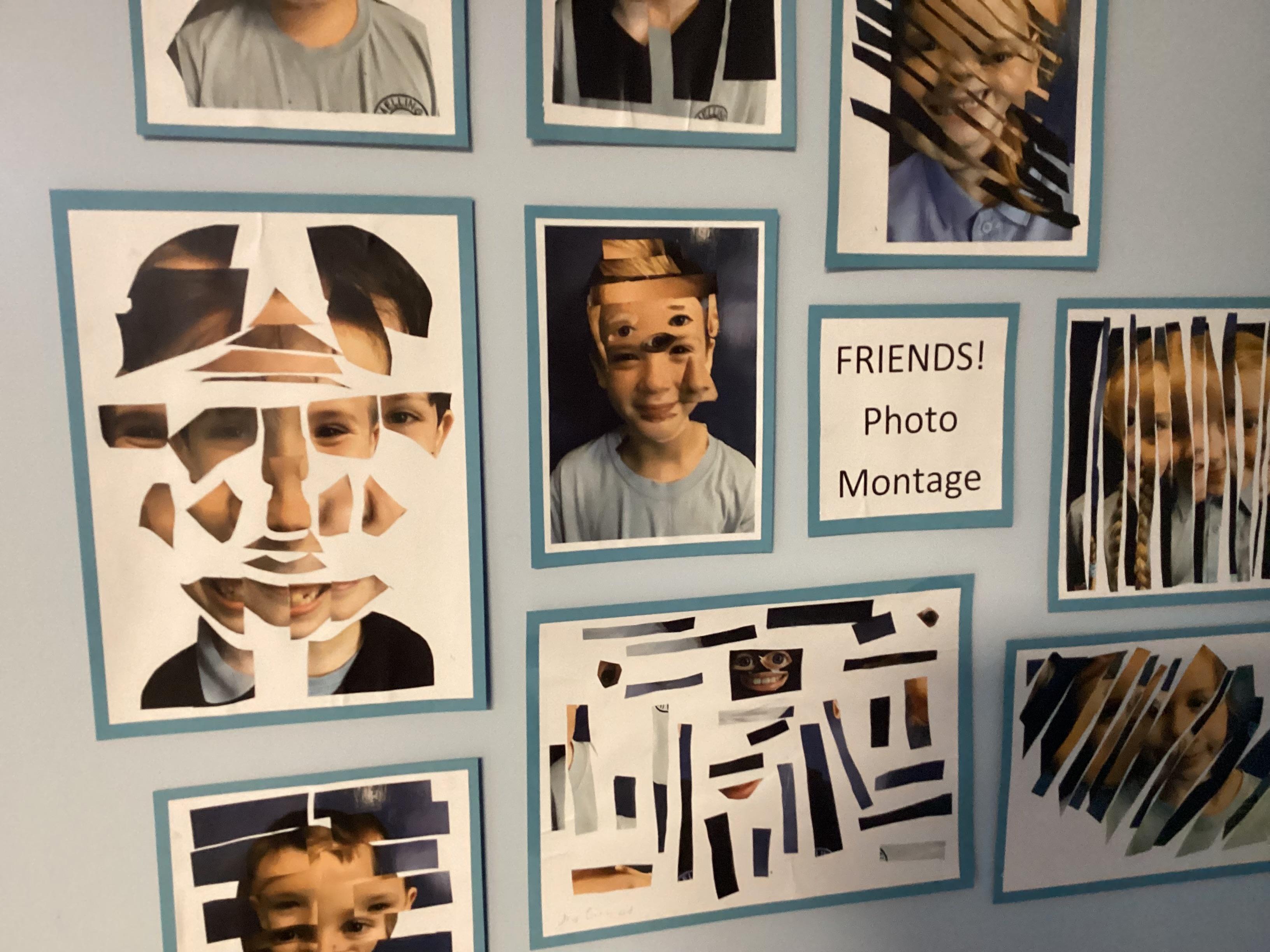
We used expressions photographs to create photo montages.


art-design-and-display


Collage
Printing
Painting
Stone Age Cave Paintings


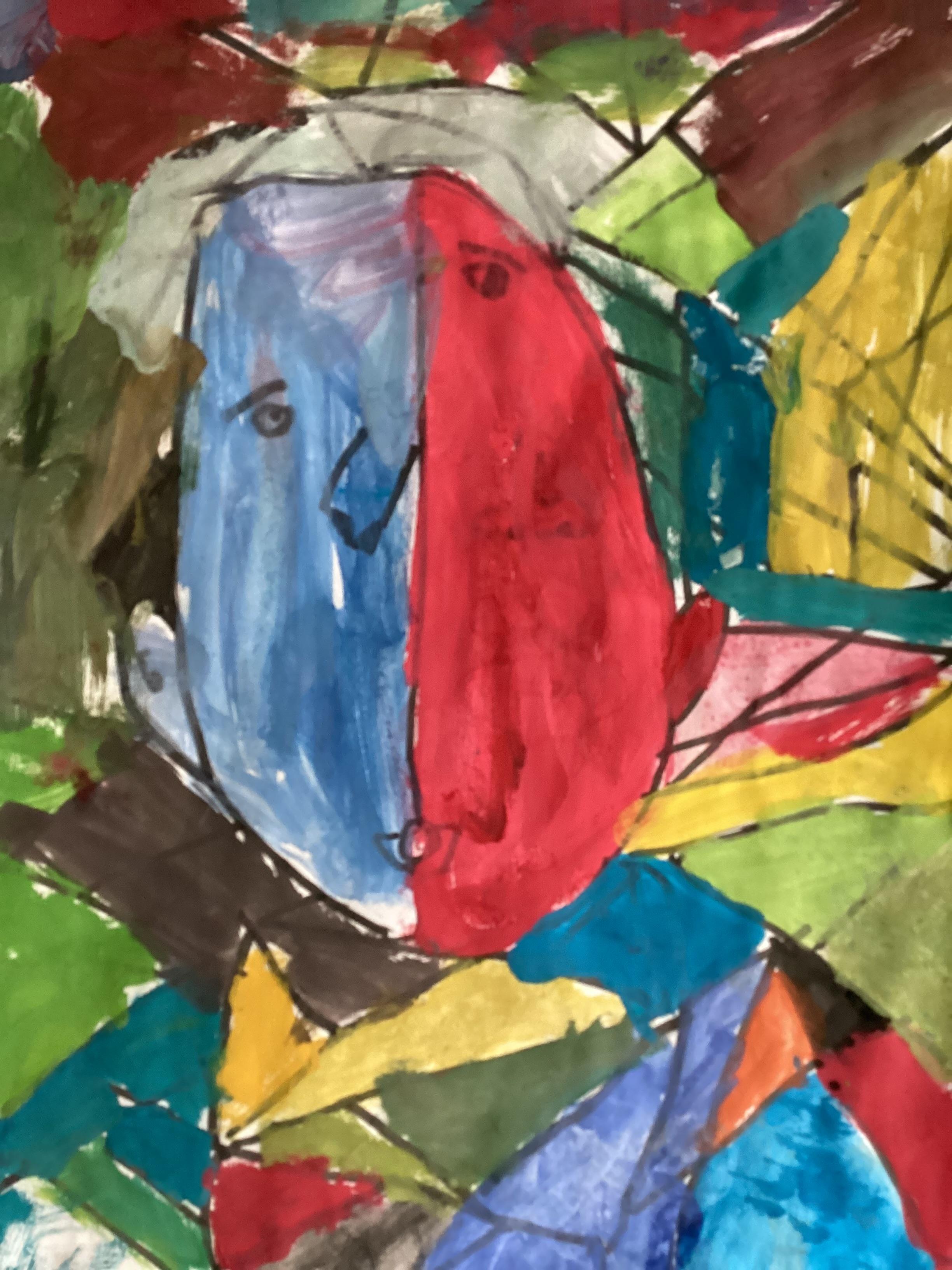
We studied Cubism in Art such as the work of Picasso.


3-D Art
Egyptian Death Masks


Mummies with wire armatures and covered bodies


We have had fun creating sculptures in human form.


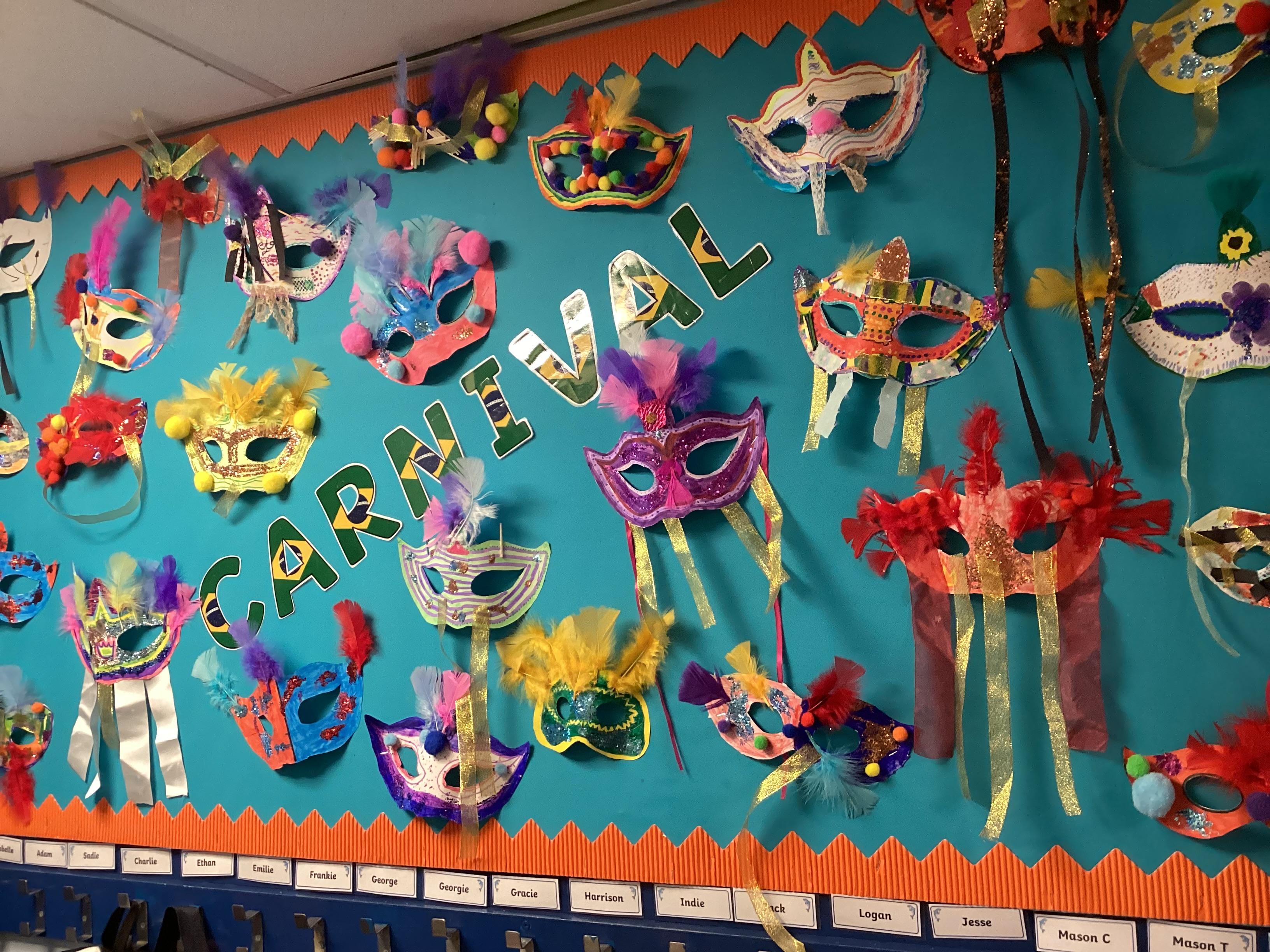
We designed and made Rio carnival masks.


Sketchbooks
Exploring shading by drawing rocks


Observing and drawing light and shadows with 3D shapes


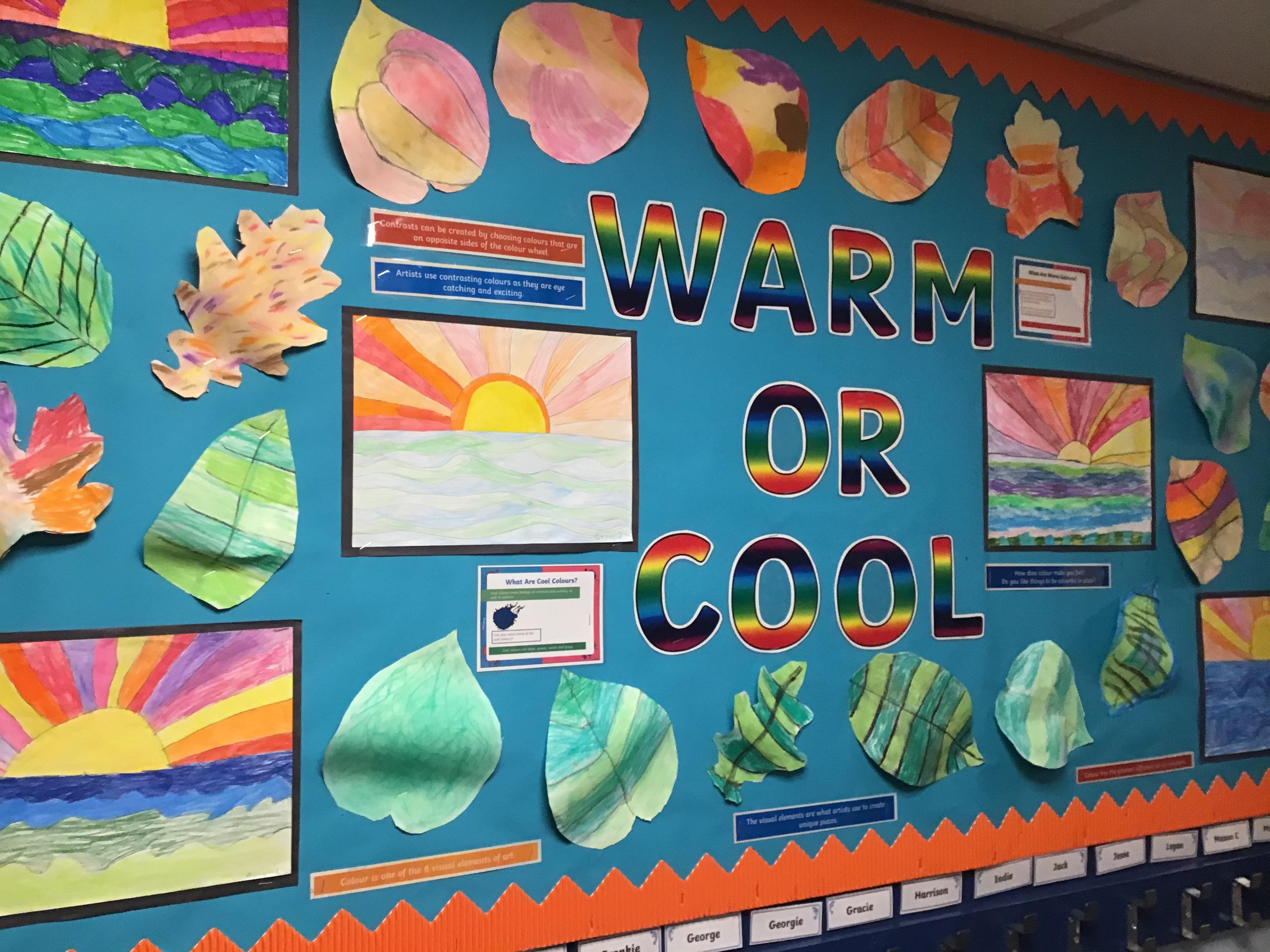
Warm and Cool Colours


Year Two
Drawing
We practised our skills by observing carefully and drawing the other half of these pineapples.


We created Mandala patterns using coloured pencils, thinking carefully about our pattern designs.


Painting
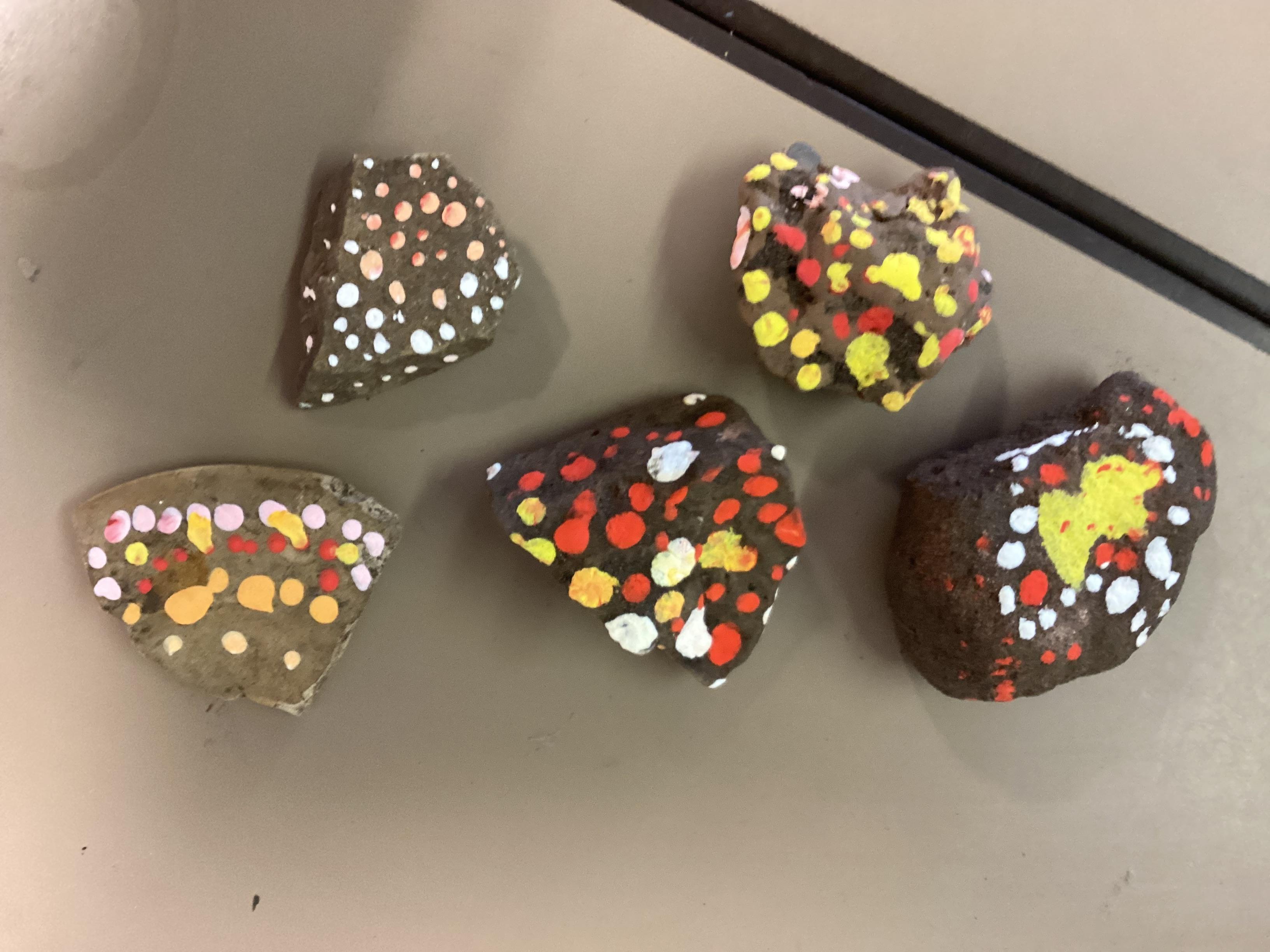
We did colour mixing of warm colours and painted silhouette pictures for the Great Fire of London.


Year One
Drawing
Exploring Mark Making


Collage
We can tear, scrunch and roll paper to make collages of Spring trees.


We did paper collages on the theme of sunshine as part of our work on seasonal change in Geography and Science.


Printing
We printed snowy trees for winter.


Painting
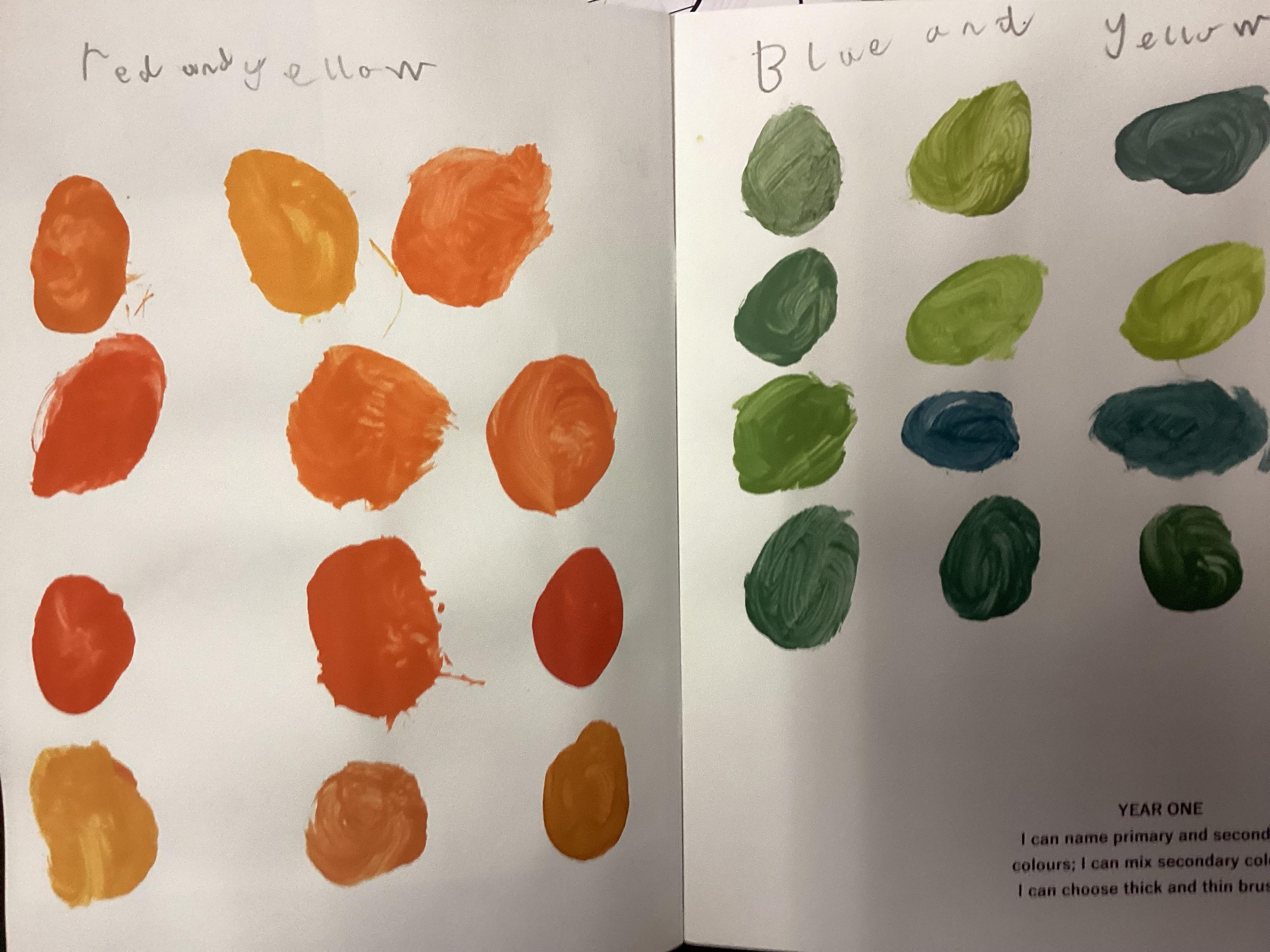
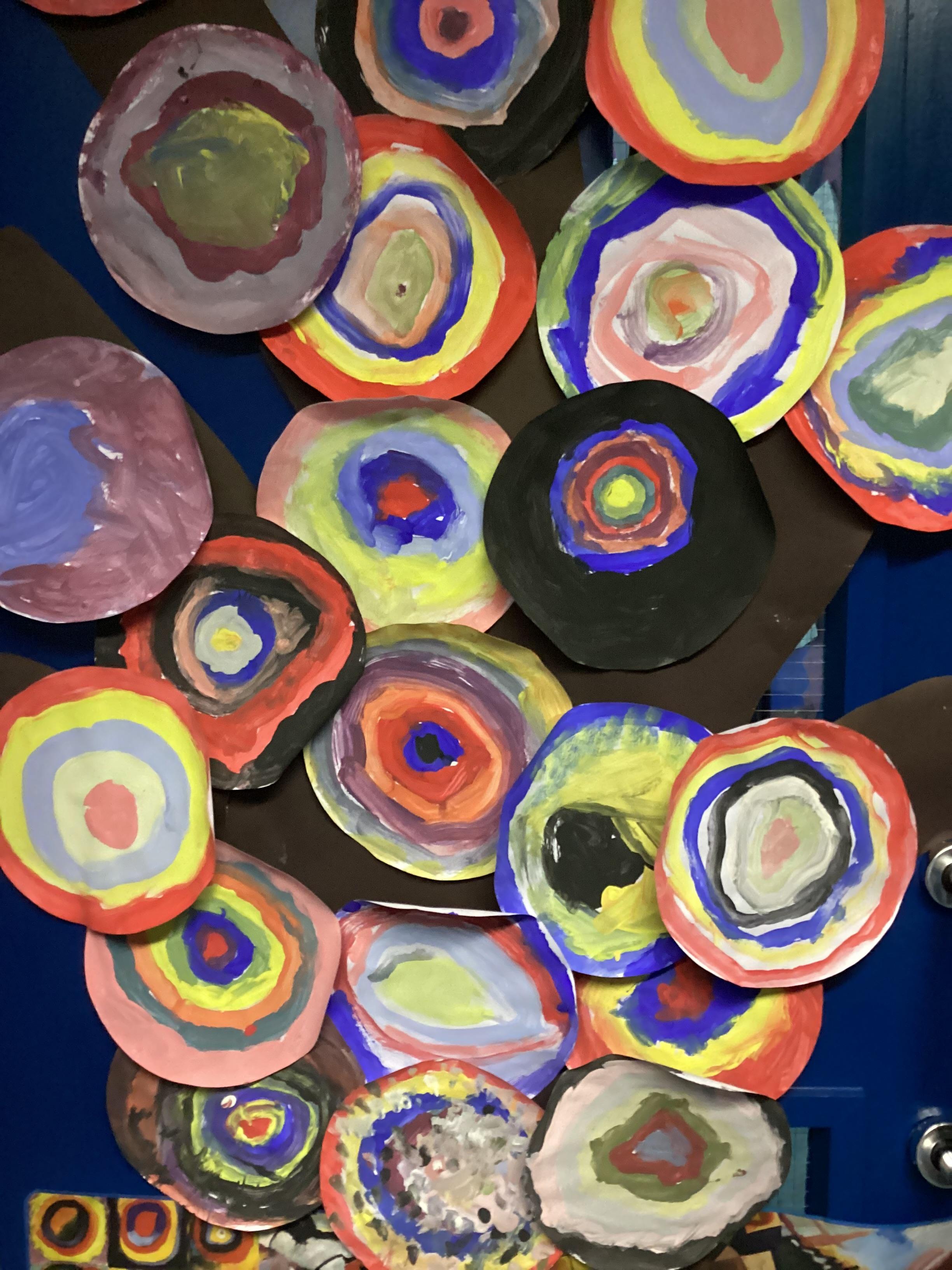
We did colour mixing with the paints to create rainbows.


3D Art
We explored sculpture and made clay pinch pots. First, we practised shaping some clay in different ways.


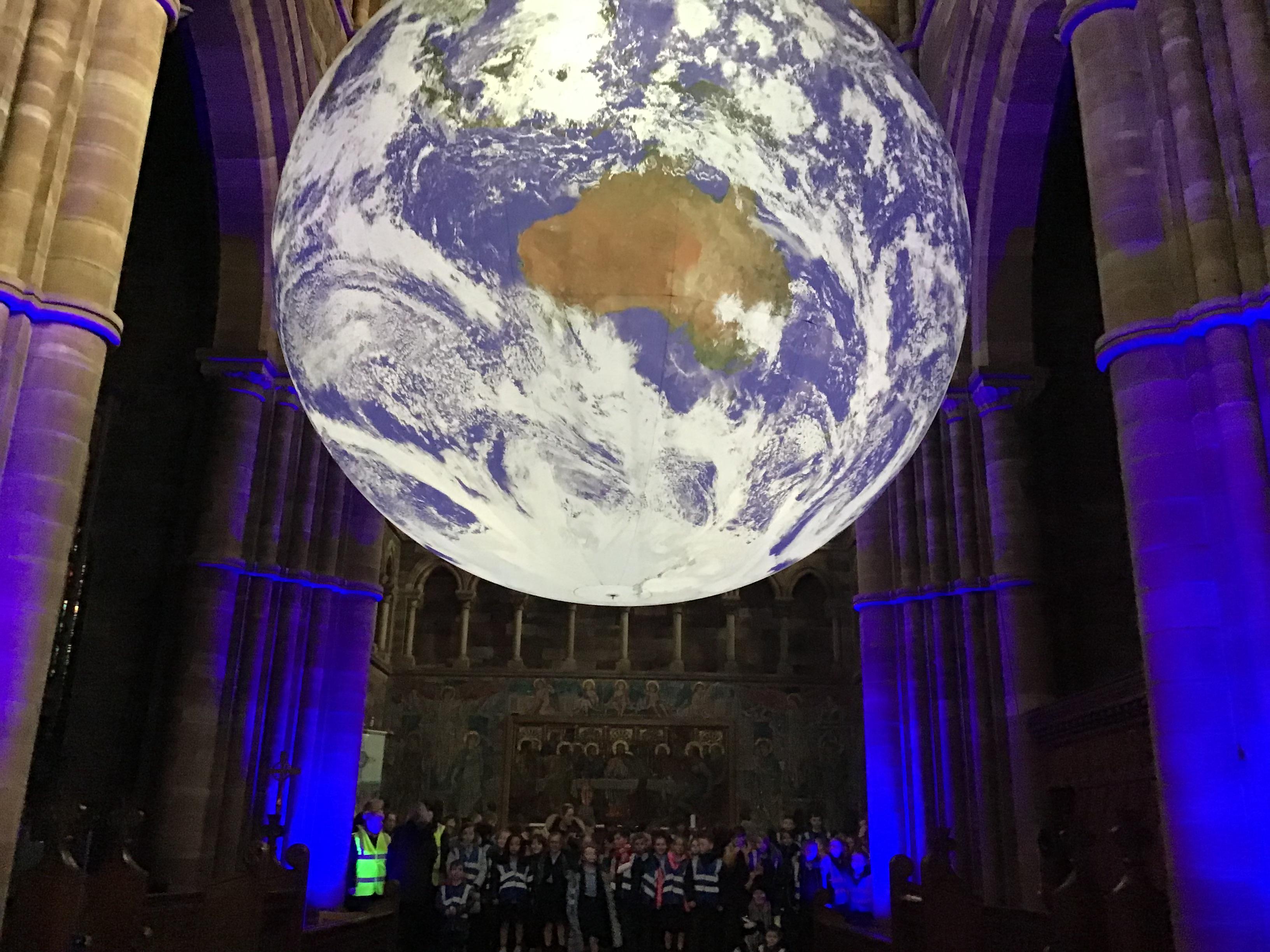
We made our Chinese Dragon puppets with big moving mouths for the Chinese New Year celebrations.


Reception
Drawing
We did observational drawings of the chicks.


We drew Funnybones skeletons for Halloween with chalk pastels and added art straws for bones.


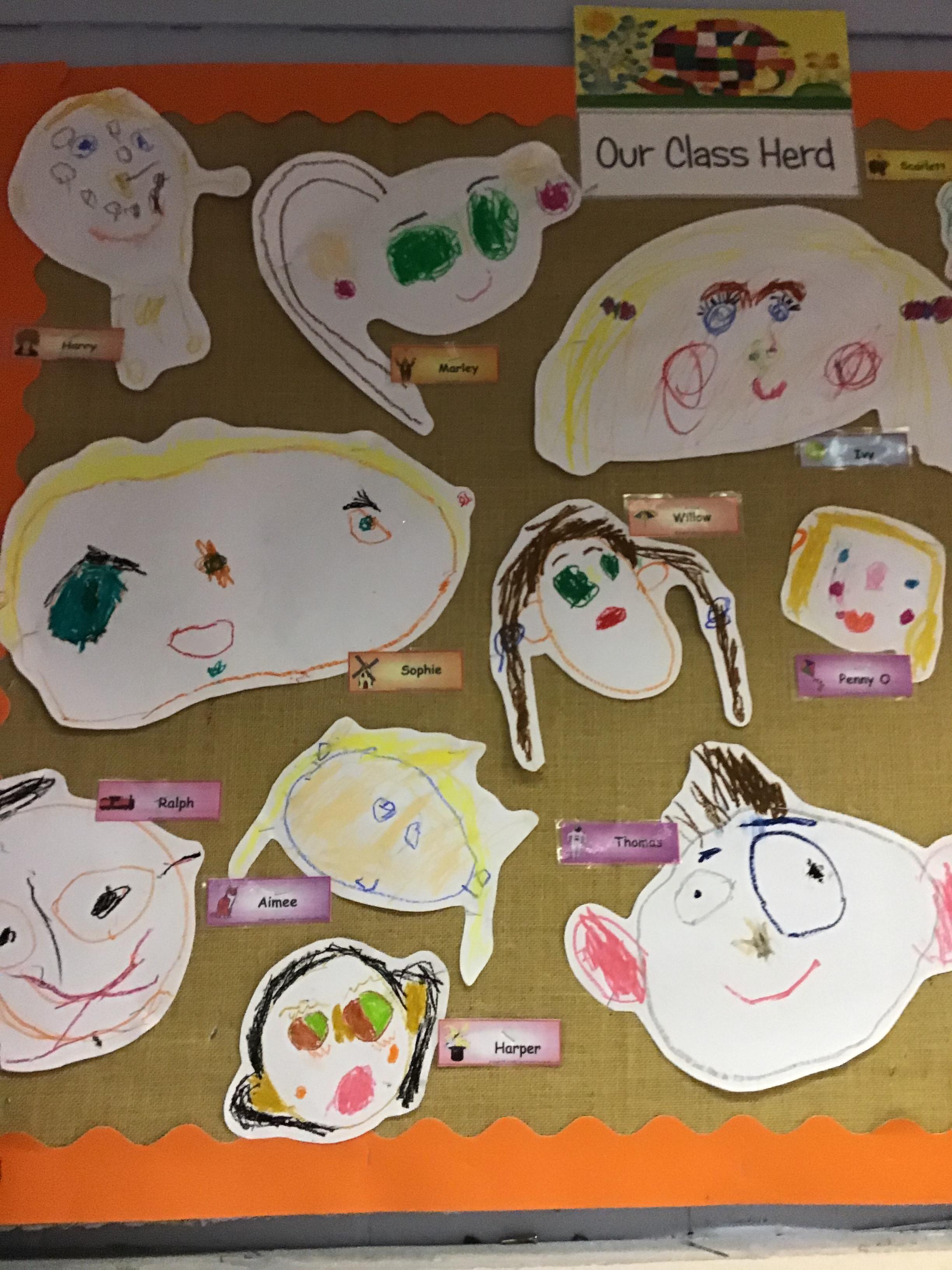
Collage
We created farm animals for our visit to Farmer Teds.


We created collage and painted poppies for Remembrance Day.


As part of our Harvest activities, we made seed collages.


Printing
We learnt about printing by doing vegetable prints.


Painting
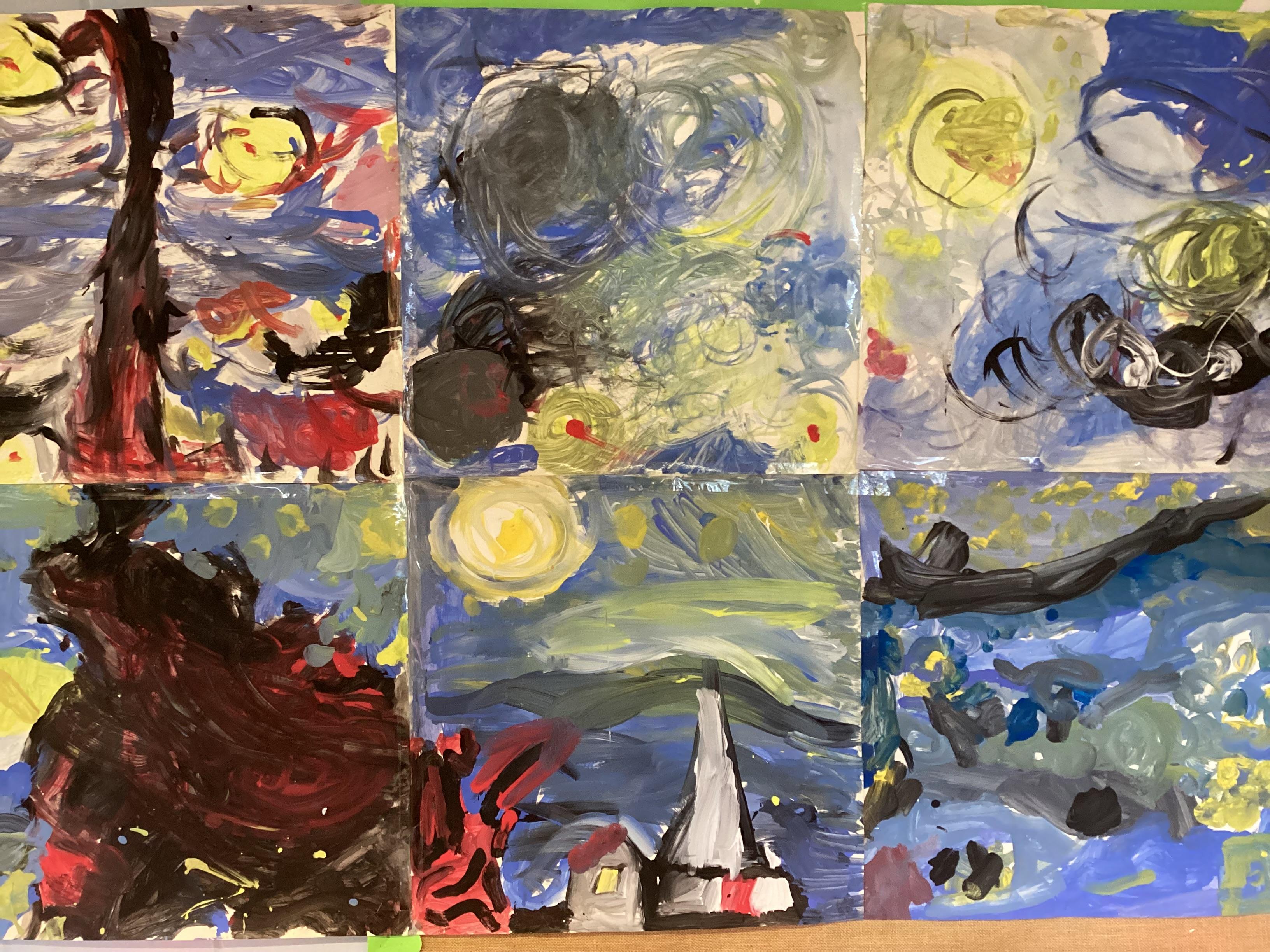
We love painting in YR and we painted scarecrows for Autumn.


Our study in paints was inspired by Van Gogh's Sunflowers.


3D Art
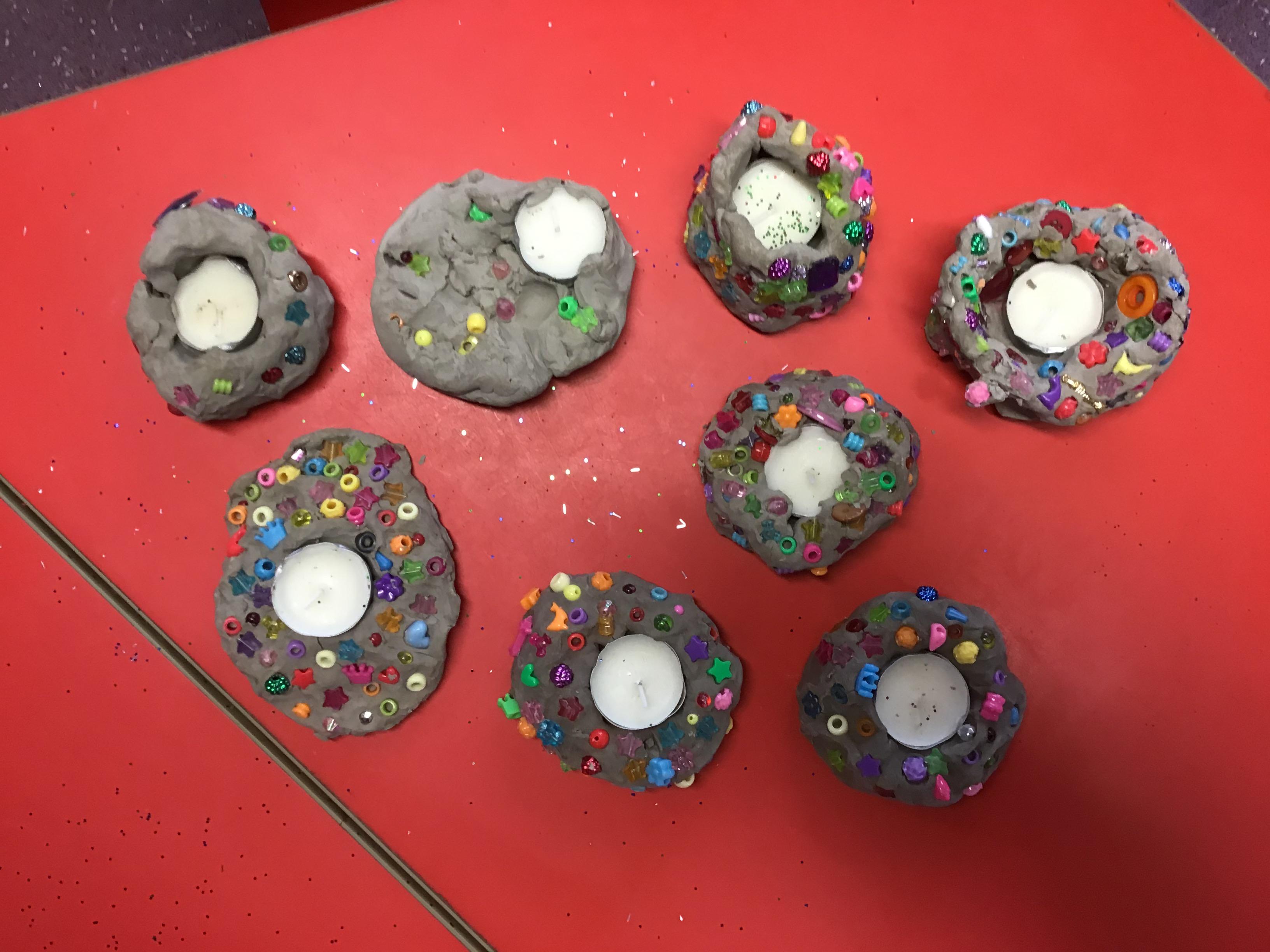
We made baskets by weaving paper when we read the Little Red Riding Hood story.


We did lots of art and craft for Chinese New Year.


DISPLAY AT MELLING
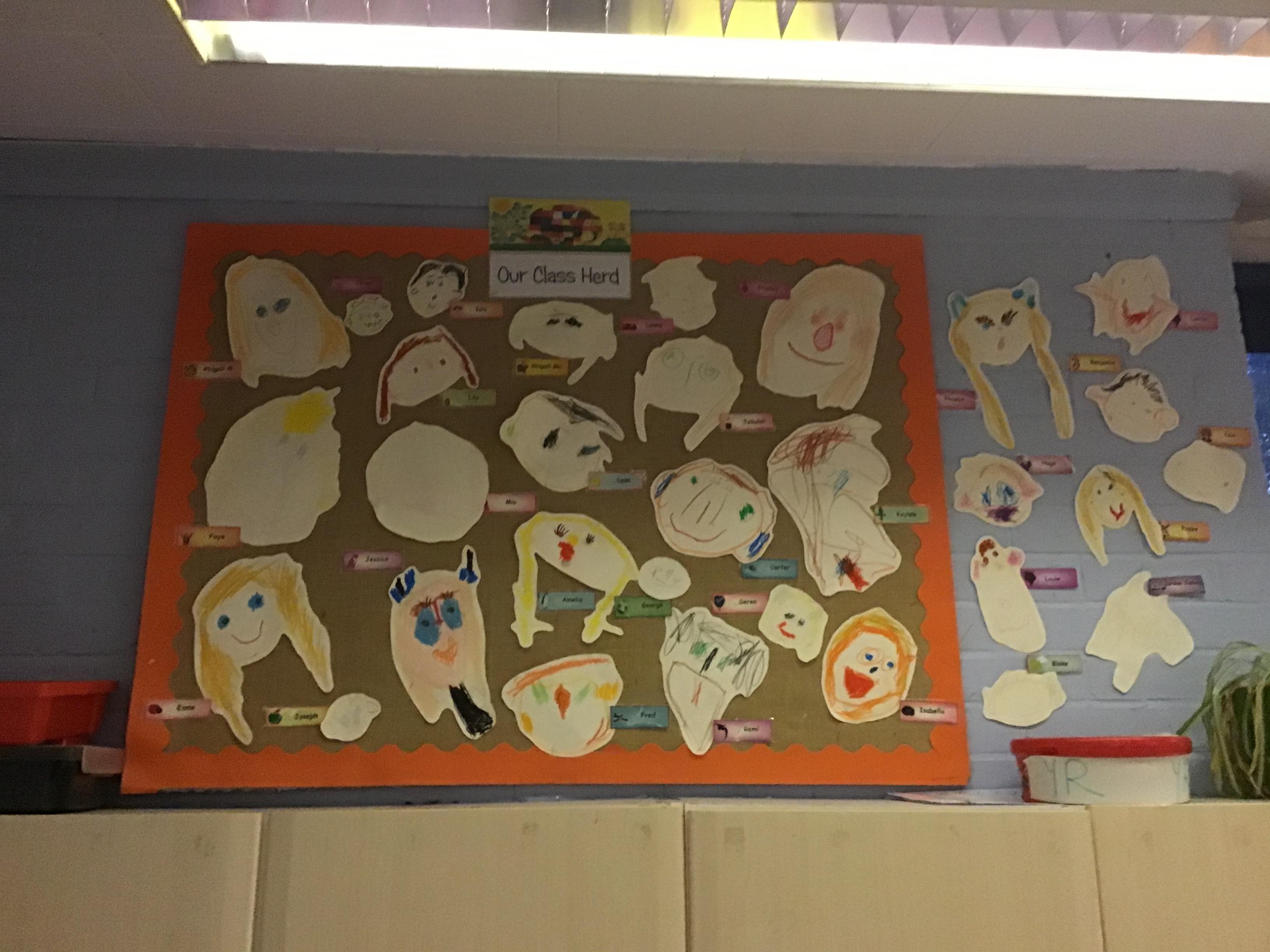
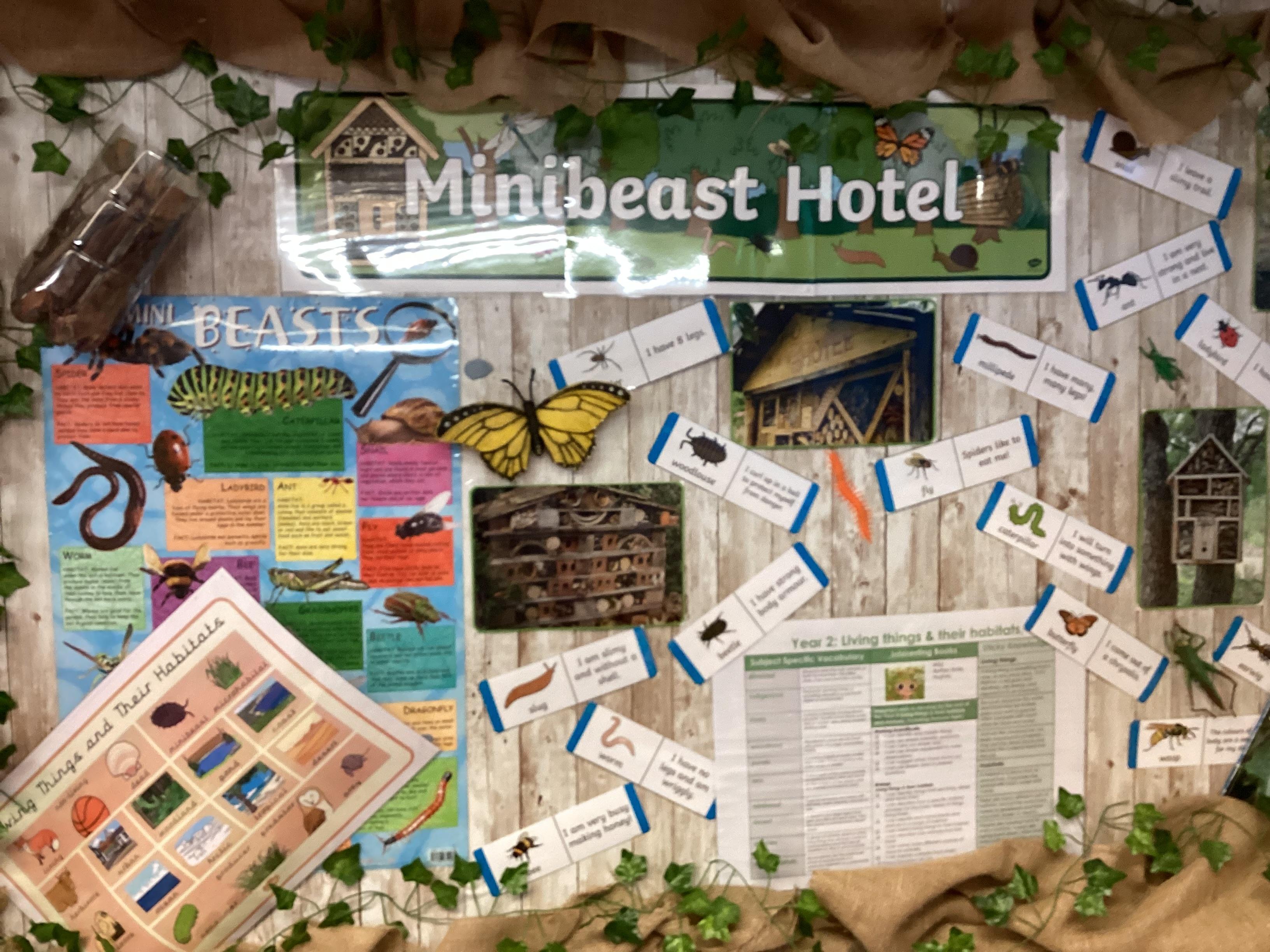
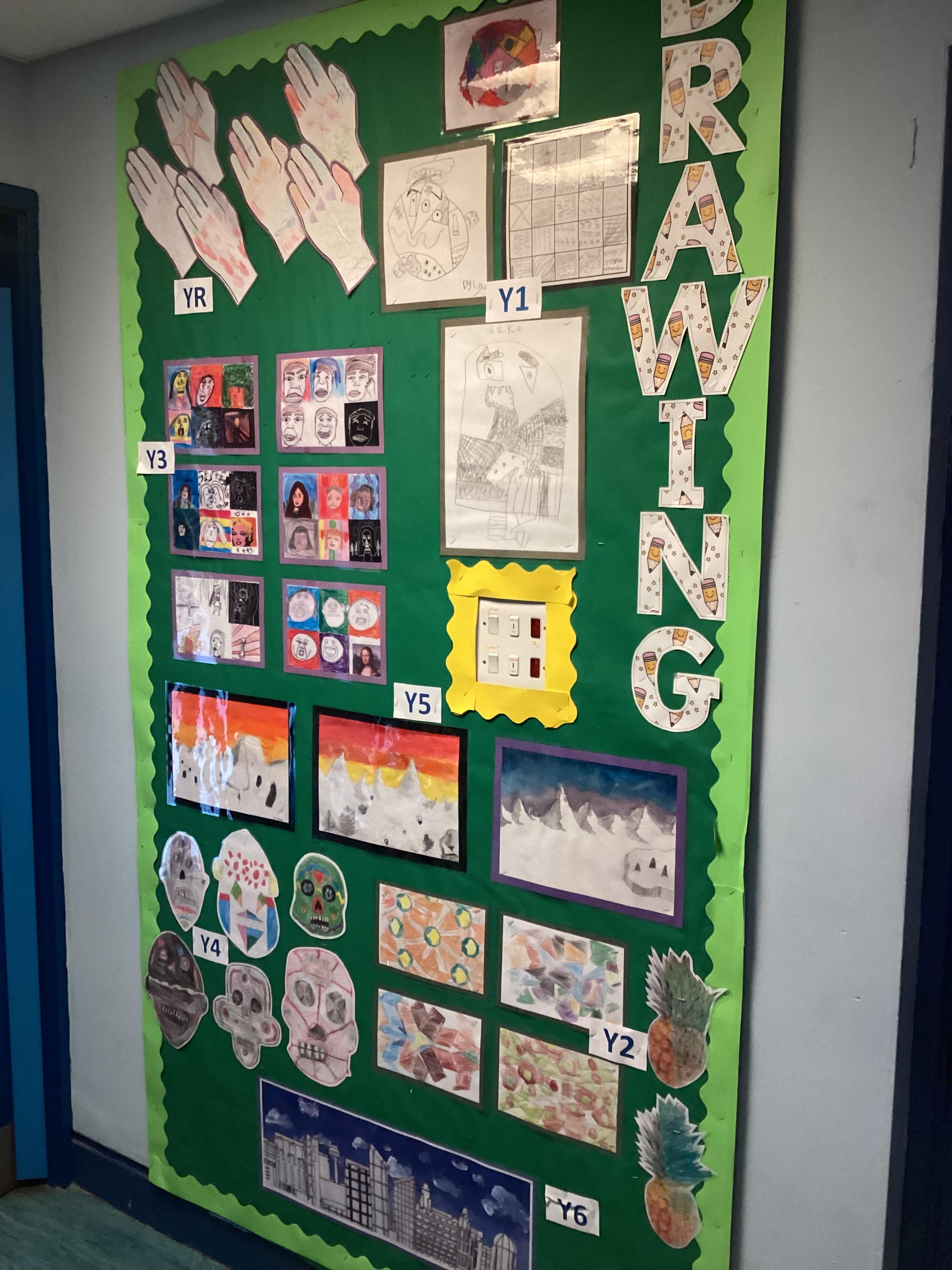
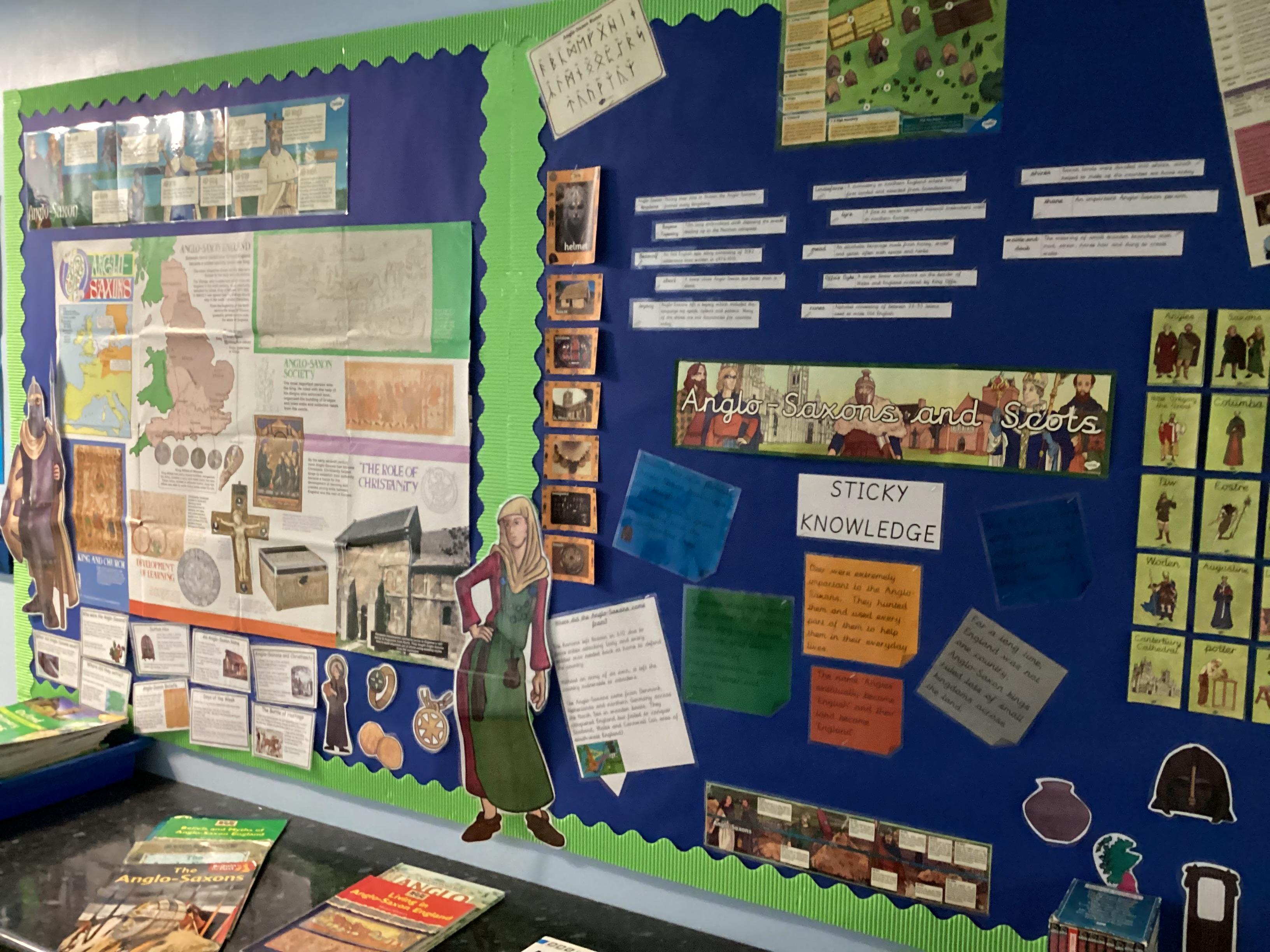
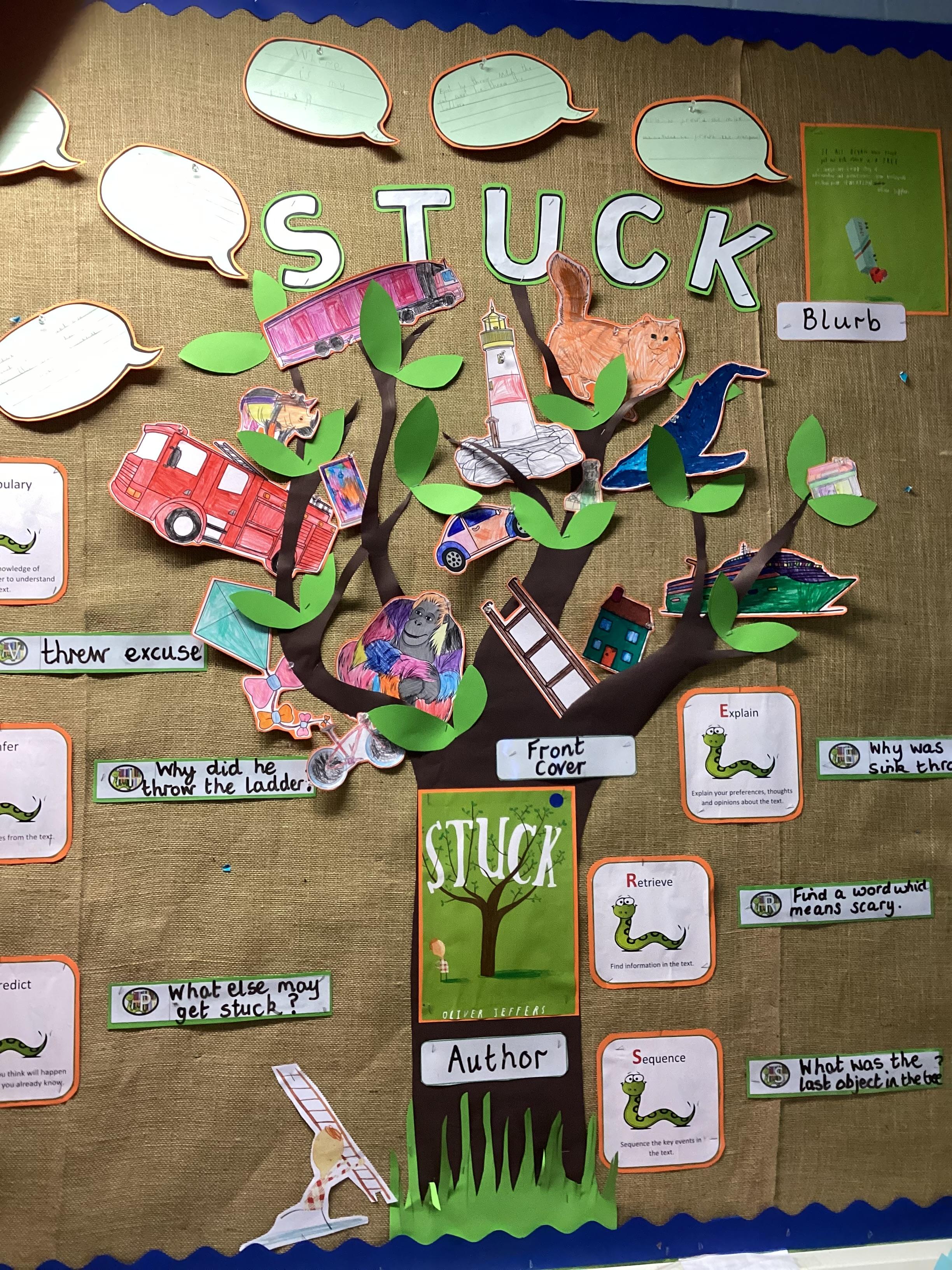
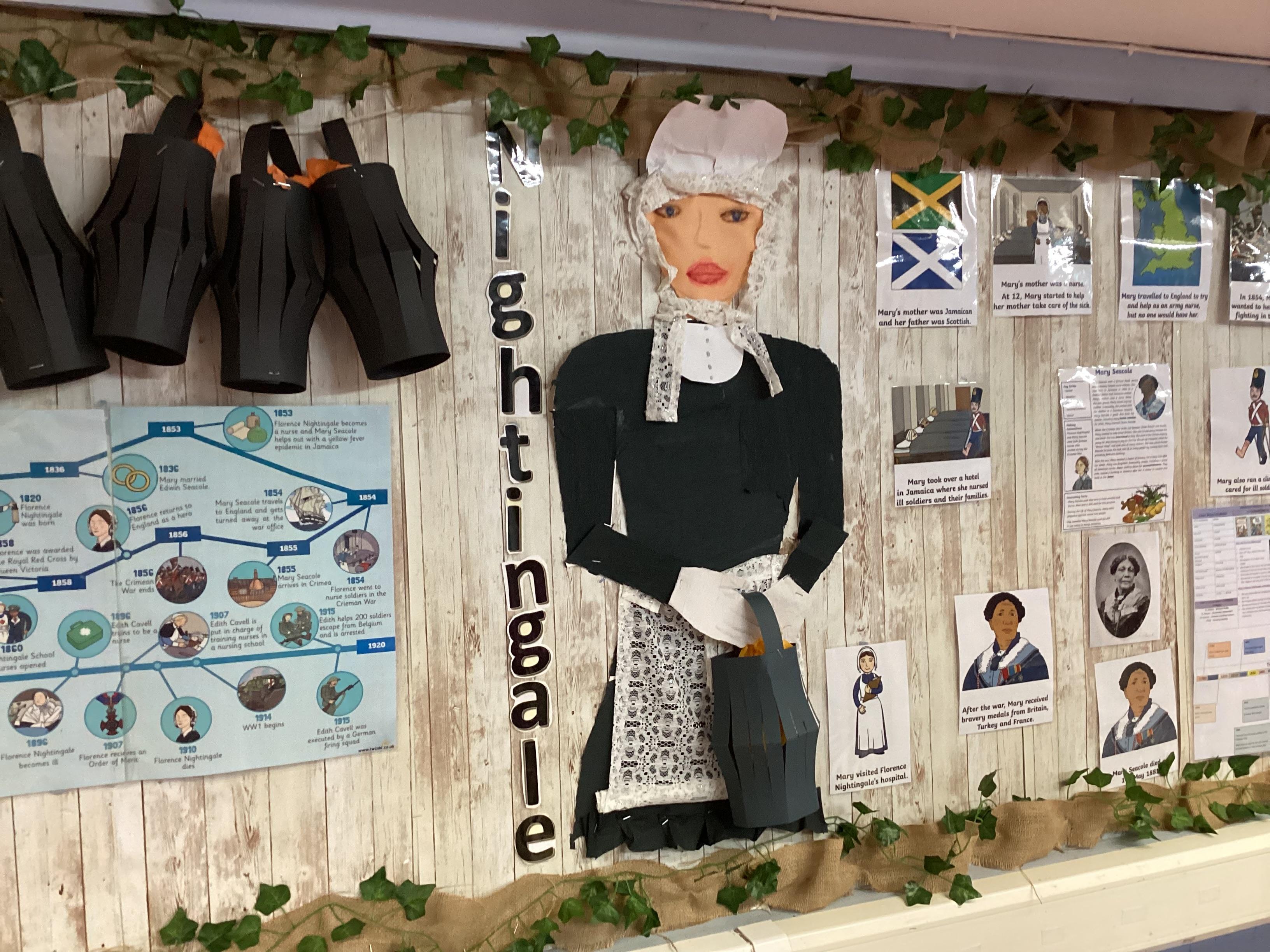
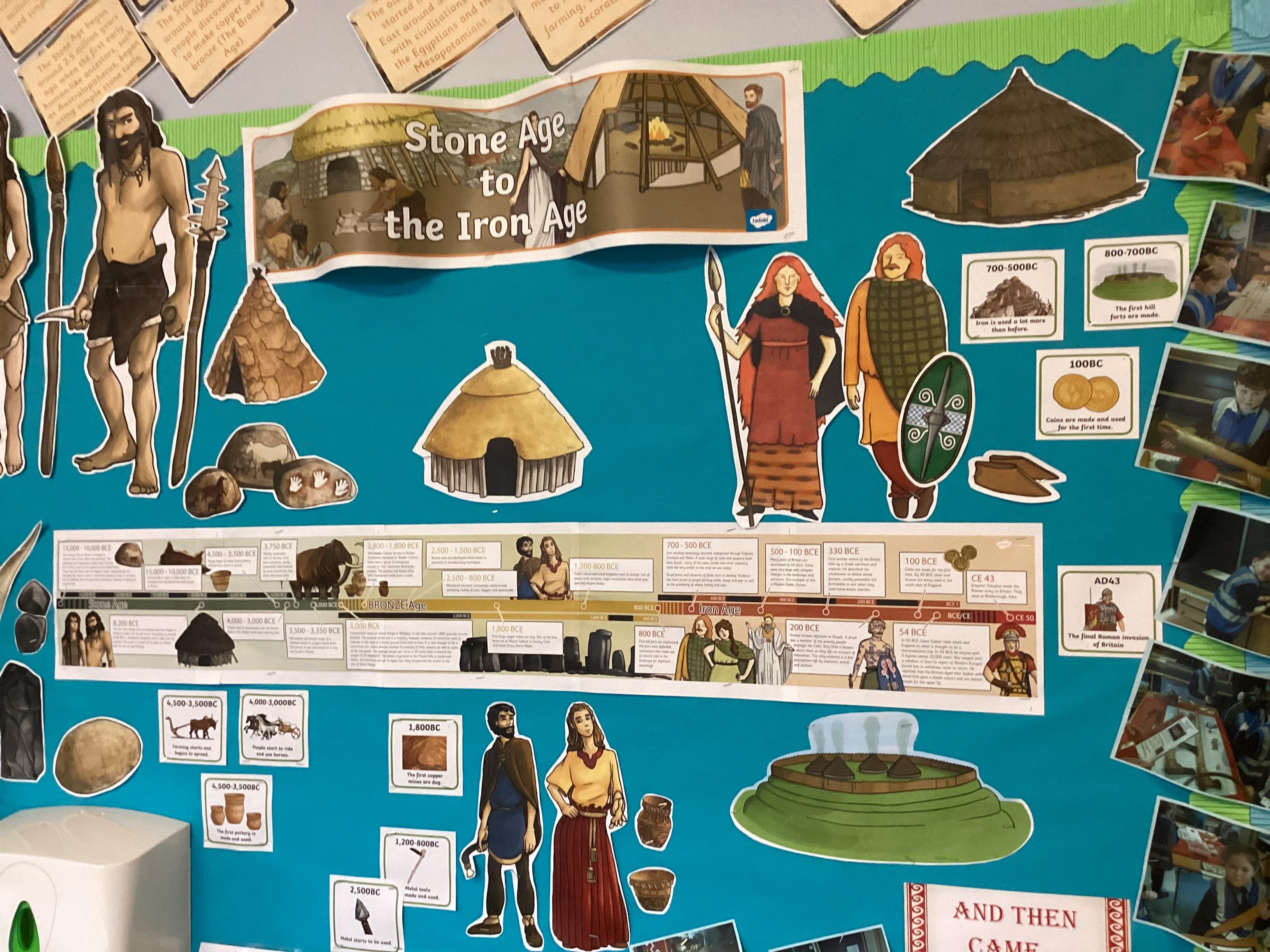
At Melling we know that everything we see, all that is visual, is a fundamental part of our daily experience. It can move us, make us proud, make us think and support us with our learning in our daily school life.
art-design-and-display


art-design-and-display


art-design-and-display


art-design-and-display


art-design-and-display


art-design-and-display


art-design-and-display


art-design-and-display